

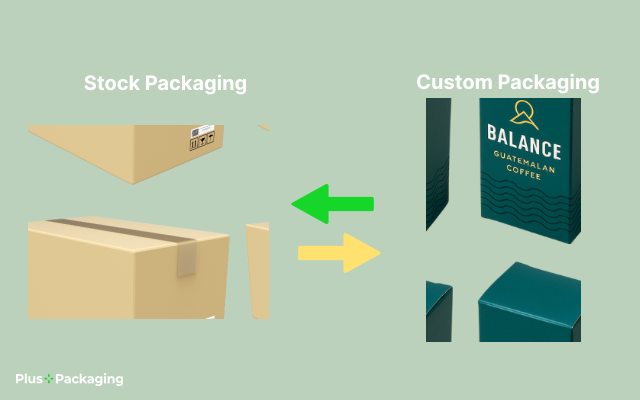
Quick answer: Stock packaging is ready-made, off-the-shelf packaging available in standard sizes with no minimum order and 1–3 day delivery, but no branding. Custom packaging is designed around your product and brand, with lower per-unit costs at volume, better product fit, and a stronger unboxing experience at the cost of higher setup fees, larger minimum orders, and 2–6 week lead times. Stock wins on speed and flexibility; custom wins on branding and scale.
Choosing between stock and custom packaging isn’t always straightforward. This guide breaks down the real differences: cost, timing, branding impact, minimum orders, and sustainability so you can decide which makes the most sense for your business right now. No fluff, just the information you need to make a smart call. If you’d rather skip ahead, you can browse all packaging products or talk to our team directly.
Packaging is often the first physical touchpoint a customer has with your brand, and it matters more than most businesses assume. In a widely cited Dotcom Distribution study, more than 60% of shoppers said gift-like or premium packaging made them more excited about their order, and around 40% said branded packaging made them more likely to buy from that retailer again. That gap between “a box arrived” and “I want to show people what arrived” is exactly what’s at stake in the stock vs custom decision and it’s a big reason brands across e-commerce, apparel, and beauty eventually move to custom.
What is Stock Packaging?
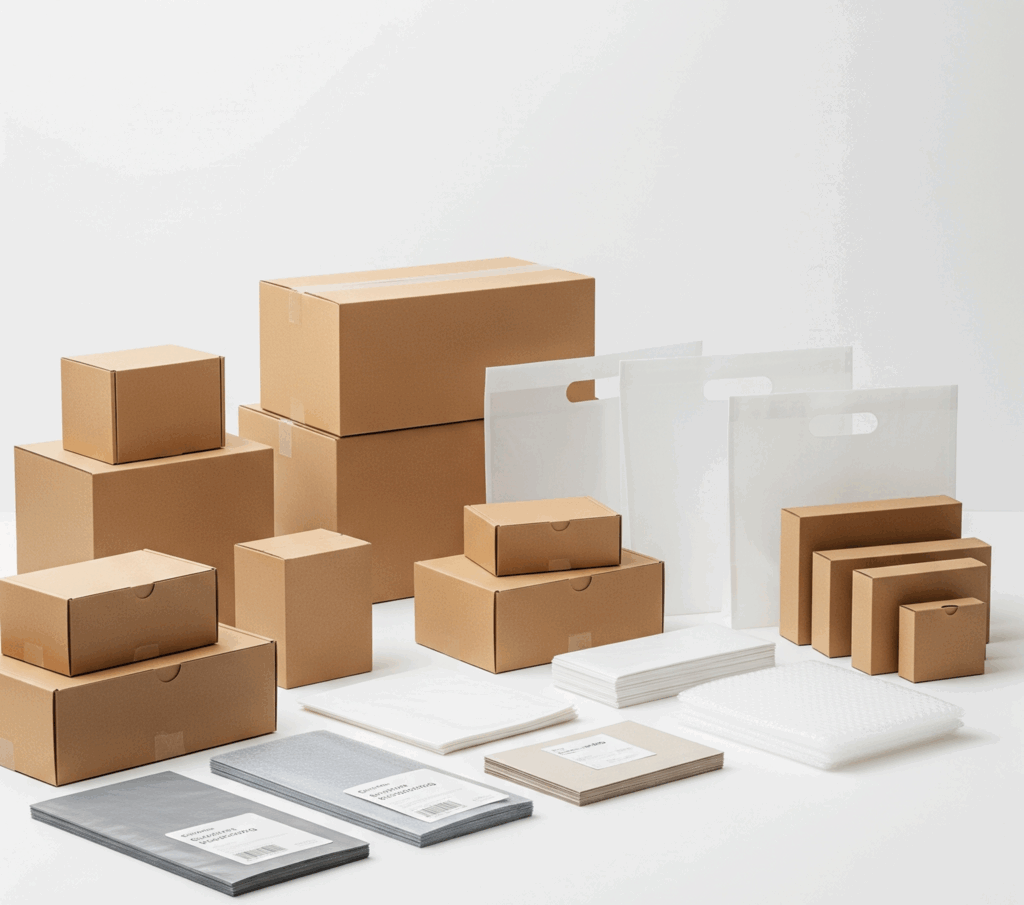
Stock packaging is ready-to-ship, off-the-shelf packaging available in standard sizes, shapes, and materials. Think plain white poly mailers, brown corrugated shipping boxes, or basic bubble mailers you can order today and use tomorrow. Because it’s mass-produced and doesn’t require custom tooling, it’s inexpensive and almost always in stock.
It works well for businesses that are just starting out, companies shipping a wide variety of product sizes, or sellers who care more about function than presentation. Many B2B and service-based businesses rely on stock packaging because their customers care about receiving items quickly and safely, not about the unboxing moment.
Pros of Stock Packaging
- Low upfront cost with no setup, tooling, or design fees
- Available immediately — typically ships in 1–3 business days
- No minimum order; buy as few as 1–25 units as needed
- Easy on cash flow and storage space
- Simple to switch sizes or styles as your needs change
Cons of Stock Packaging
- Generic look with no built-in branding
- Higher per-unit cost at high volumes
- Standard sizes rarely fit your product perfectly, so you’ll often pay for void fill
- Extra steps (labels, stickers, inserts) needed to look “on brand”
- Doesn’t create a memorable customer experience
If your standard option is a plain poly bag, it’s worth knowing that branded custom poly mailers cost only a little more per unit at volume while giving you the brand presence a blank mailer can’t. The same upgrade path applies to paper mailers and bubble mailers too.
What is Custom Packaging?
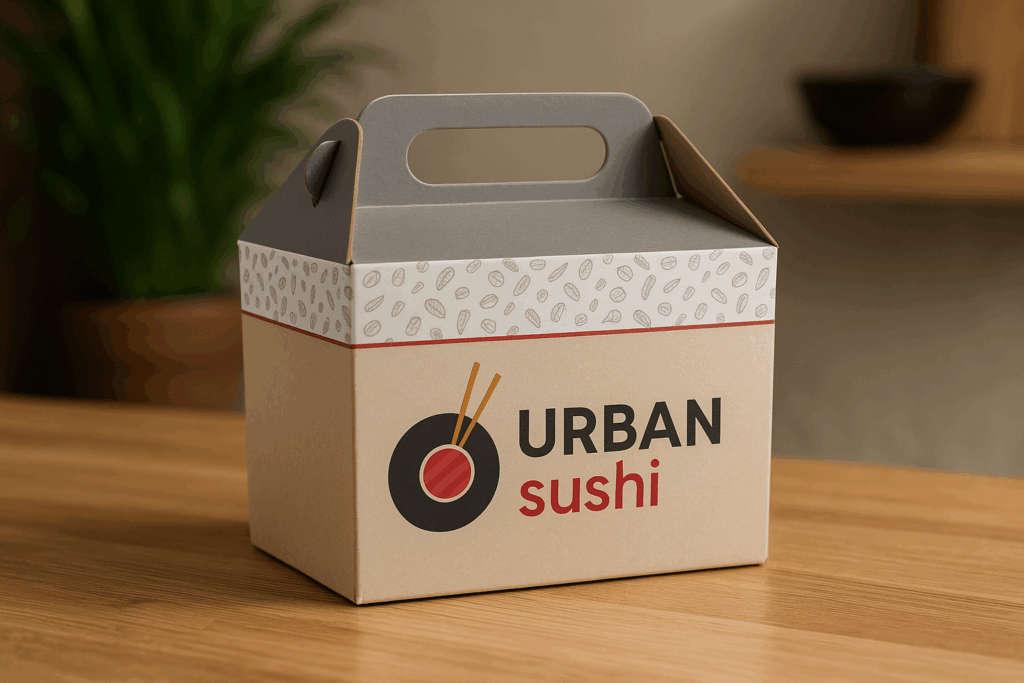
Custom packaging is designed specifically for your brand and products — anything from mailers printed with your logo and colors to mailer boxes built in exact dimensions with full-color printing inside and out. Nearly every element can be tailored: size, structure, material, finish, and artwork. Our packaging engineering team can even design a structure from scratch around an oddly shaped product.
Custom packaging is popular with premium e-commerce brands, subscription boxes, cosmetics and beauty companies, and any business where the unboxing experience drives word-of-mouth. If you’ve ever received a package that made you want to photograph it before opening, that was custom packaging doing its job — see real examples in our packaging inspirations and case studies.
Pros of Custom Packaging
- Full branding that reinforces brand recognition and trust
- A premium, shareable unboxing experience that drives repeat purchases
- A perfect product fit that improves protection and reduces damage
- Lower per-unit cost at higher volumes
- Right-sizing can cut dimensional shipping weight and lower freight costs
- No extra labeling step — packaging arrives ready to ship
Cons of Custom Packaging
- Higher upfront investment (design, plates or digital setup, samples)
- Longer lead times, typically 2–6 weeks
- Minimum order quantities, usually 250–1,000+ units
- Requires storage space and accurate forecasting
- Less flexible if your product sizes or branding change often
Before you commit to a full run, a free digital mockup lets you see your branding on the packaging first — no guesswork.
Stock vs Custom Packaging: Side-by-Side Comparison
| Feature | Stock Packaging | Custom Packaging |
| Upfront Cost | Low (no setup fees) | Higher (design and setup fees) |
| Per-Unit Cost | Higher at low volumes | Lower at high volumes |
| Lead Time | Immediate/1-3 days | 2-6 weeks typically |
| Minimum Order | As low as 1 unit | Usually 250-1,000+ units |
| Branding | Generic, no branding | Fully branded experience |
| Storage Needs | Can order as needed | Requires space for bulk orders |
| Customer Experience | Basic, functional | Premium, memorable |
| Scalability | Easy to switch as needed | Better economies at scale |
| Product Protection | Standard sizes may need filler | Sized perfectly for your products |
Cost Considerations
Stock packaging costs
Stock packaging won’t break the bank when you’re starting out. You can order exactly what you need — even 10 or 25 units — with no setup or design costs, which makes it perfect for testing the market or covering seasonal rushes. The catch: you’ll pay more per unit, and those $1–2 mailers add up fast when you’re shipping hundreds of orders a month.
Custom packaging costs
Custom packaging requires an upfront investment in design, printing setup, and samples before your first full run — often $200 to $1,000+ depending on complexity. The payoff is a per-unit cost that drops significantly at volume. Branded custom poly mailers can actually cost less than a stock equivalent once you’re ordering 1,000+ at a time, and right-sized custom shipping boxes can lower your dimensional shipping weight on top of that.
The real cost calculation
When you compare costs, look past the price of the packaging itself and ask:
- Will right-sized custom packaging reduce your shipping costs?
- How much are you already spending on inserts, tissue paper, printed tape, or stickers to make stock packaging feel branded?
- What’s a customer sharing your packaging on social media worth to you?
- Will better-fitting packaging reduce returns from damaged products?
If freight and materials are quietly eating your margins, a packaging cost-reduction review often pays for itself.
Time to Launch & Lead Times
If you need packaging tomorrow, stock is your only option — most suppliers ship within 1–3 business days, and some offer next-day delivery. Custom packaging runs on a different clock:
- Design phase: 1–2 weeks (faster if you start from a free digital mockup)
- Sample production and approval: 1–2 weeks
- Production: 2–4 weeks
- Shipping: 3–10 days depending on location
All in, plan for roughly 4–8 weeks from concept to delivery for most custom orders. If you’re launching a product or prepping for a busy season, work backward from your ship date and order early. Brands that want one partner to handle design, production, and fulfillment often use our all-in-one packaging service to compress that timeline.All in, you’re looking at 4-8 weeks from concept to delivery for most custom packaging. Plan accordingly if you’re launching a new product or preparing for a busy season.
Branding and Customer Experience
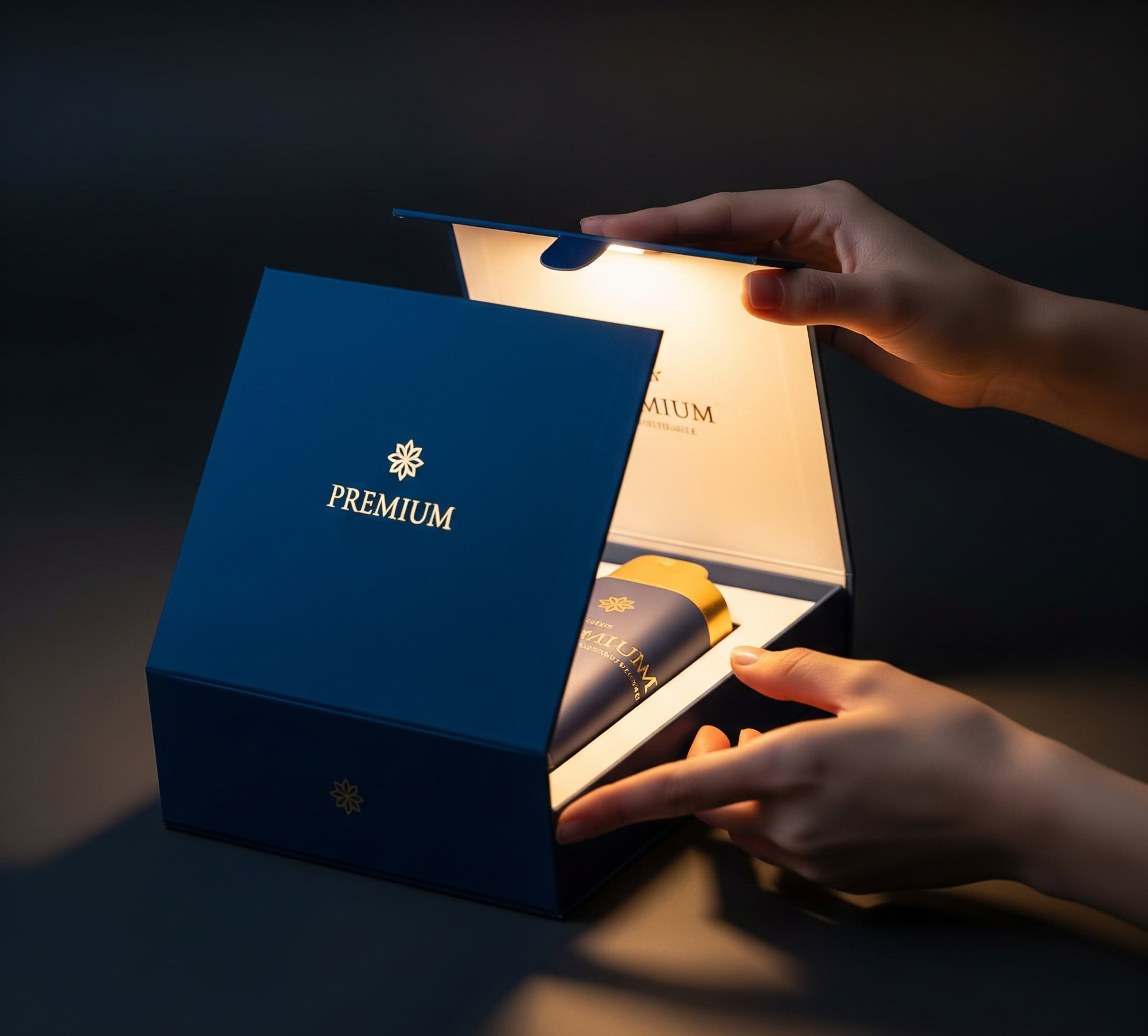
This is where custom packaging earns its keep. Your packaging is frequently the first tangible interaction a customer has with your brand, and custom packaging turns that moment into a marketing asset. It helps you:
- Reinforce your brand identity at the doorstep
- Create a memorable, photo-worthy unboxing experience
- Encourage social sharing and word-of-mouth
- Make customers feel they bought something special
For subscription boxes and premium beauty, the unboxing is almost as important as the product — customers expect something share-worthy, which is why so many brands invest in custom mailer boxes, magnetic gift boxes, and branded tissue paper. You can see how real brands have done this in our customer case studies. Stock packaging can still look clean and professional, but it won’t build that same emotional connection. For purely functional or B2B shipments, that may not matter — and that’s a perfectly valid reason to stay with stock.
Product Fit & Protection
One often-overlooked factor is how well packaging protects what’s inside. Stock packaging comes in standard sizes, so you’ll frequently need void fill — bubble wrap, air pillows, or paper — to stop items from shifting. That adds cost, time, and waste.
Custom packaging can be built to fit your product exactly, with inserts or compartments that hold items securely. Options like paper padded mailers and molded pulp packaging protect fragile items without loose fill, and our packaging engineering team can design a perfect-fit insert. That looks more professional and protects better in transit. If you sell fragile or oddly shaped items, custom packaging can actually save money by cutting damage rates and returns.
Sustainability & Environmental Impact
Both stock and custom packaging can be eco-friendly — it depends on the materials you choose. Stock options often use widely recyclable materials like corrugated cardboard or kraft paper, but standard sizes can be larger than necessary, wasting material and adding shipping emissions.
Custom packaging lets you right-size to use only the material you need, and you can specify sustainable options such as recycled content, paper mailers, compostable mailers, or molded pulp packaging. For the greenest approach: right-size your packaging, choose recyclable or compostable materials, minimize void fill, and consider total shipping weight. Explore our full range of eco-friendly packaging, or get expert help from our sustainability consulting team if reducing your footprint is a priority.
When to Choose Stock vs Custom Packaging
Different business stages call for different approaches.
Choose stock packaging when:
- You’re a new business testing the market
- You ship a wide variety of product sizes
- Your order volumes are seasonal or unpredictable
- You’re shipping B2B where function beats presentation
- You need packaging fast and can’t wait weeks
Choose custom packaging when:
- You have consistent, predictable order volumes
- You sell premium or luxury products
- You run a subscription service (a custom kit keeps every component on-brand)
- Your products have unusual dimensions
- Customer experience is a key differentiator
- You’re shipping roughly 500+ packages a month
Your industry shapes the answer too. See tailored options for e-commerce brands, clothing and apparel, health and beauty, and restaurants and food service. Many brands start with stock and transition to custom as volumes stabilize.ds and customer expectations.
Hybrid Options: Best of Both Worlds?
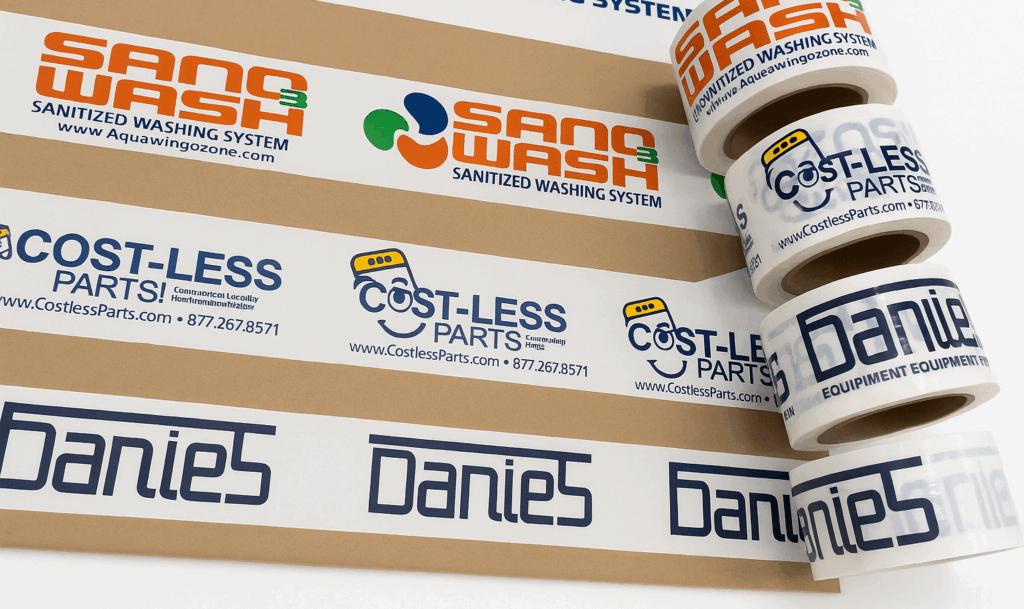
Can’t decide? You don’t have to. Hybrid approaches blend stock and custom elements for branding on a budget:
- Ship in stock boxes or mailers sealed with custom printed tape
- Add branded stickers or labels and hang tags to plain packaging
- Tuck custom tissue paper, thank-you cards, or inserts inside stock boxes
- Slide custom-printed sleeves over standard boxes
These give you a branded look for a fraction of the cost of going fully custom. For example, a plain mailer with a colorful branded sticker creates a branded feel at a fraction of the price of fully printed mailers — and when your volume grows, upgrading to fully branded custom poly mailers is the natural next step.
Your Decision Checklist
Run through these questions before you commit:
- Volume: What’s your monthly shipping volume? (Under ~500/month leans stock; consistently above leans custom.)
- Budget: Can you cover upfront design and setup costs right now?
- Timeline: How soon do you need packaging in hand?
- Branding: How important is presentation to your customers?
- Stability: Are your product sizes and branding likely to change soon?
- Storage: Do you have room — and cash flow — to hold a bulk order?
If most of your answers point to speed, low cost, and flexibility, start with stock. If they point to branding, consistency, and scale, custom will pay off. And if you’re split, start hybrid. Not sure how your branding will look in print? Start with a free digital mockup.
Frequently Asked Questions
What is the difference between stock and custom packaging?
Stock packaging is pre-made and sold in standard sizes with no branding and no minimum order, ready to ship in 1–3 days. Custom packaging is made to your exact specifications — size, material, and full branding — with setup fees, minimum orders (usually 250–1,000+ units), and 2–6 week lead times.
Is custom packaging worth it?
Custom packaging is worth it when you ship consistent volumes (roughly 500+ per month), sell premium products, or rely on the unboxing experience to drive repeat business and social sharing. At those volumes, the per-unit cost often matches or beats stock, and the branding and product-fit benefits compound over time.
Is custom packaging more expensive than stock packaging?
It’s more expensive upfront because of design and setup fees, but cheaper per unit at scale. A custom mailer box can cost less per unit than a stock one once you order in volume, and right-sized custom packaging can also lower your shipping costs.
What is the minimum order for custom packaging?
Minimum order quantities for custom packaging typically range from 250 to 1,000+ units depending on the product and printing method, though some suppliers offer lower minimums. Stock packaging has no minimum — you can order a single unit.
How long does custom packaging take to produce?
Most custom packaging takes about 4–8 weeks from concept to delivery: 1–2 weeks for design, 1–2 weeks for samples, 2–4 weeks for production, and several days for shipping. Stock packaging ships in 1–3 business days.
Can you customize stock packaging?
Yes. You can add branded labels, stickers, custom printed tape, or tissue paper to stock packaging to create a branded look without committing to a full custom order. This “hybrid” approach is a popular middle ground for growing brands.
The Bottom Line
There’s no one-size-fits-all answer to the stock vs custom packaging question. Stock packaging offers speed, flexibility, and low upfront cost. Custom packaging builds a stronger brand impression and can actually save money at higher volumes. Many successful businesses begin with stock, add hybrid branding elements as they grow, then move to fully custom once volumes and product lines stabilize.
Whatever stage you’re at, Plus Packaging can help you find packaging that fits your needs and budget. Browse our full product range, see why brands trust us, or get a free quote on stock and custom solutions that won’t break the bank.