

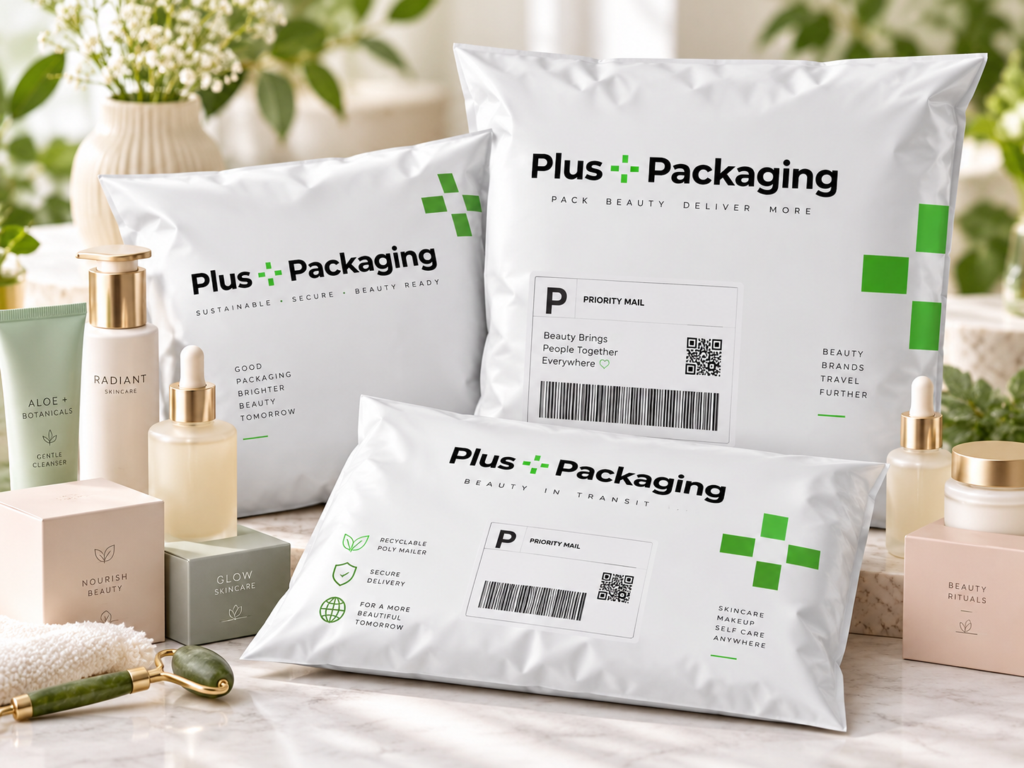
Cosmetic packaging is everything that holds, protects, presents, and delivers a beauty product, from the tube around a lipstick to the mailer that brings an online order to a customer’s door. In beauty, packaging is part of the product. Shoppers judge quality by how a jar feels, how a bottle looks, and whether an order arrives intact, so it has to protect formulas, carry required information, and reflect the brand at the same time.
This guide covers the layers of cosmetic packaging, common container types and materials, design trends, labeling basics, sustainability, and how to choose shipping packaging for online beauty orders.
The Three Layers of Cosmetic Packaging
| Layer | What it is | Examples | Main job |
|---|---|---|---|
| Product (primary) packaging | Holds the formula directly | Tubes, jars, bottles, compacts, pumps | Contain and protect the product |
| Inner (secondary) packaging | Wraps the product container | Folding cartons, retail boxes, sleeves | Display, branding, extra protection |
| Outer (shipping) packaging | Moves the order to the customer | Mailers, shipping boxes, void fill | Protect during transit |
Brands often focus on the first two layers. The third is what the customer meets first when they order online, so it deserves just as much thought.
Common Types of Cosmetic Containers
- Jars and pots. Suited to creams, balms, masks, and loose or creamy products that customers scoop out.
- Tubes. Good for controlled application, such as lip products, concealers, mascara, and lotions.
- Bottles. Used for liquids like serums, toners, foundations, and lotions, with droppers, pumps, or flip-top caps. Sprayers suit mists and setting sprays.
- Airless pumps. Reduce air exposure for sensitive formulas and help dispense nearly all of the product.
- Compacts. Portable cases for pressed powders, blush, bronzer, and eyeshadow.
- Pouches and sachets. Lightweight options for samples, face masks, and travel sizes.
Materials Used in Cosmetic Packaging
| Material | Common uses | Strengths | Limits |
|---|---|---|---|
| Glass | Serum and fragrance bottles, premium jars | Premium feel, chemically stable, recyclable | Heavy and breakable |
| Plastics (PET, HDPE, PP, acrylic) | Bottles, tubes, jars, closures | Light, durable, low cost, flexible shapes | Can interact with some formulas, recycling varies |
| Metal (aluminum, tin) | Tins, tubes, compacts | Strong, protects from light, premium look | Can dent, may react with some ingredients |
| Paper and paperboard | Cartons, sleeves, inserts | Printable, recyclable, low cost | No barrier for the formula on its own |
Material choice depends on the formula’s compatibility, shelf life, price point, and brand image. Some ingredients can react with certain plastics or metals, so test before committing.
Cosmetic Packaging Design Trends
- Minimalism. Clean layouts, simple type, and fewer colors signal confidence and clarity.
- Sustainable materials. Recycled and recyclable content, paper-based components, and less plastic.
- Refillable systems. Refill pods and pouches reduce waste and encourage repeat purchases.
- Travel and sample sizes. Small formats lower the barrier to trying a product.
- Bold type and patterns. Distinctive fonts and graphics help brands stand out on crowded shelves and feeds.
- Connected packaging. QR codes link to ingredients, tutorials, and authenticity checks.
- Consistent systems. The same colors and type across product, box, and mailer make unboxing feel cohesive.
Labeling and Regulatory Basics
Rules differ by country, so treat this as a starting point rather than a full compliance guide. In the United States, cosmetic labeling generally includes the product’s identity, net quantity, ingredient list, and the name and place of business of the manufacturer or distributor, along with any required warnings. The Modernization of Cosmetics Regulation Act of 2022 expanded FDA oversight, including facility registration and product listing. The EU, UK, and other markets have their own requirements, including safety assessments and responsible-person rules. Claims on packaging, such as “natural,” “clean,” or “recyclable,” are also regulated, so keep them accurate and documented.
This is general information, not legal or regulatory advice. Confirm requirements for your products and markets with a qualified professional.
Sustainability in Cosmetic Packaging
Beauty has a reputation for heavy, mixed-material packaging, and customers have noticed. Practical steps include right-sizing containers, cutting unnecessary layers, choosing mono-material components that are easier to recycle, and offering refills. The shipping layer is often the easiest place to improve because there’s more design freedom than around the formula itself. Paper-based and compostable options can replace plastic outer packaging where they still protect the product. Packaging laws and extended producer responsibility programs are also making the cost of materials more visible.
Shipping Cosmetics Online
Shipping beauty products brings a few specific challenges. Many items are fragile, like glass bottles and pressed powders. Liquids can leak. Heat can melt balms and sticks, and some products, such as alcohol-based fragrances and nail polish, are classed as flammable and have carrier restrictions, including limits on air shipping. Always check your carrier’s rules for the specific products you ship.
Choosing the right mailer
- Light, retail-boxed items (lip products, small skincare, single items): Bubble Mailers give shock absorption without much bulk, and work well when the product already has a retail carton around it. If you’re not sure which dimensions fit, check how to size a bubble mailer against your product plus its box.
- Soft goods and non-breakable items (sheet masks, makeup bags, sachets, headbands, accessories): Custom Poly Mailers are waterproof, tear-resistant, and light, so they keep postage low and protect items from moisture. An opaque, printed poly mailer also gives beauty brands a polished look and a branding surface.
- Eco-minded brands with items needing cushioning: Paper Padded Mailers give protection without a plastic bubble lining, which suits boxed skincare, balms, and cosmetics sets.
- Flat, lightweight items (samples, cards, lash packs, inserts): Paper Mailers with a stiffener inside protect corners and keep costs low.
- Light, low-risk products with a sustainability message: Compostable Mailers offer a plant-based option. If you use the word “compostable,” confirm certification with your supplier first.
For glass bottles, heavy compacts, perfumes, and multi-item orders, a mailer alone usually isn’t enough. Use a shipping box with proper void fill or a molded insert, and treat mailers as the right choice for lighter, better-protected items.
Quick reference
| Product | Best fit |
|---|---|
| Boxed lipstick, balm, small skincare | Bubble mailer or paper padded mailer |
| Sheet masks, pouches, makeup bags | Custom poly mailer |
| Samples, inserts, flat accessories | Paper mailer |
| Eco-focused light items | Compostable mailer |
| Glass bottles, perfume, pressed powders | Shipping box with void fill |
Packing Tips for Cosmetics
- Wrap fragile items in layers. Pressed powders and glass need several layers of cushioning, not just a mailer.
- Secure loose parts. Tape caps shut and hold applicators in place.
- Bag liquids. Place products that could leak in a small sealed bag before packing.
- Mind temperature. Avoid leaving balms, sticks, and creams in hot conditions, and know your formula’s limits.
- Right-size the package. Oversized mailers let items shift and raise shipping costs.
- Add presentation. Tissue, a branded sticker, or a thank-you card turns delivery into an unboxing moment.
- Check carrier rules. Flammable and aerosol products have specific shipping restrictions.
Frequently Asked Questions
What are the main types of cosmetic packaging? Jars, tubes, bottles, airless pumps, compacts, and pouches for product packaging, plus cartons for inner packaging and mailers or boxes for shipping.
What is the best material for cosmetic packaging? It depends on the formula and brand. Glass suits premium and sensitive formulas, plastic is light and affordable, metal is durable, and paper works for cartons and shipping.
What is the best mailer for shipping cosmetics? For light, boxed items, a bubble mailer or paper padded mailer works well. For soft goods, a poly mailer is a good fit. Fragile glass is safer in a box.
Can I use eco-friendly packaging for cosmetics? Yes. Paper-based and compostable mailers work for many items, provided they protect the product and your sustainability claims are accurate.
Are there rules for shipping makeup and perfume? Yes. Alcohol-based fragrances and similar products can be restricted, especially by air, so check your carrier’s requirements.
Final Thoughts
Good cosmetic packaging protects the formula, meets labeling rules, and makes the product feel worth buying. At the shipping stage, matching the mailer to the product keeps it simple: a bubble mailer for light boxed items, a custom poly mailer for soft goods, a paper padded mailer or compostable mailer for eco-focused brands, and a paper mailer for flat items.
This article is general information, not legal advice. Check current requirements for your products and markets before you sell.