

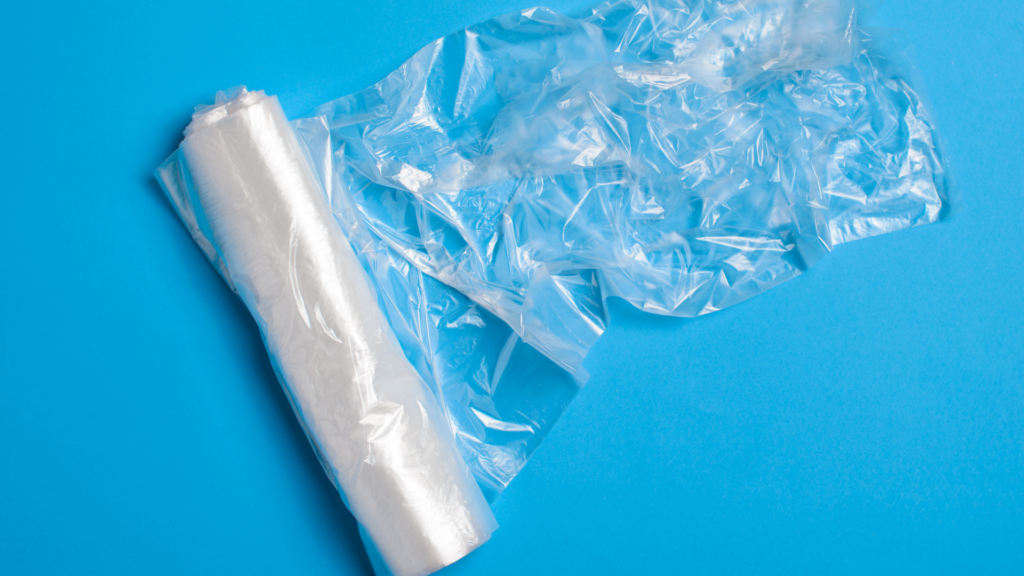
Knowing what to do with plastic bags is less straightforward than it should be. Some bags can be reused dozens of times, others can be recycled only at specific locations, and many should never go in curbside recycling bins at all. The wrong choice can contaminate recycling streams or send usable material straight to a landfill. This guide breaks down clear, practical options for reusing, recycling, and responsibly disposing of plastic bags at home or through local drop-off programs, with simple rules you can actually follow.
This guide breaks down your real options step by step. You’ll learn how to reuse plastic bags at home, where plastic bag recycling actually works, why curbside bins usually reject them, and how households and businesses can reduce plastic bag waste long term.
Why Plastic Bags Are a Problem in the Waste Stream
Plastic bags are lightweight, flexible, and widely used. Those same qualities also make them difficult to manage once discarded.
Most plastic bags are made from thin plastic film. In recycling facilities, this material wraps around sorting equipment and causes shutdowns. As a result, many municipal programs exclude plastic bags from curbside recycling, even though the plastic itself is technically recyclable.
This gap between material recyclability and system reality is what causes confusion and contamination.
First Option: Reuse Plastic Bags as Much as Possible
Before thinking about recycling, reuse is the most practical step. Reusing plastic bags delays disposal and reduces demand for new bags.
Common Ways to Reuse Plastic Grocery Bags
Plastic bags work well for everyday tasks where durability matters less than convenience:
- Lining small trash cans or bathroom bins
- Picking up pet waste
- Carrying lunches or wet items
- Storing cleaning supplies or paint brushes
- Packing shoes or toiletries when traveling
These uses extend the life of the bag and reduce the need for other disposable liners.
Simple Storage Tips
Loose plastic bags create clutter, which leads to early disposal. A few easy storage habits that help are keeping them folded in a drawer or bin, using one bag to store several others and hanging them on a hook in a pantry or laundry room.
Once bags stay organized, reuse becomes the default rather than an afterthought.
Creative Reuse: Practical Over Decorative
Many articles focus on crafts, but most people want simple, repeatable solutions.
Plastic bags can be repurposed into packing material for shipping fragile items, cushioning for stored seasonal décor, temporary waterproof covers for shoes or tools or braided ties for securing items
Craft projects like weaving or knitting plastic bags into mats or totes can work for hobbyists, though they require time and large quantities of bags. For most households, functional reuse is more realistic.
Can Plastic Bags Be Recycled?
Yes, plastic bags can be recycled, but rarely through curbside programs. Plastic bags fall under plastic film recycling. This category includes grocery bags, produce bags, bread bags, dry cleaning bags, shrink wrap and overwrap
These materials need specialized handling that most curbside systems don’t offer.
Why Plastic Bags Don’t Belong in Curbside Recycling
Plastic bags clog machinery at recycling facilities. When they enter curbside bins they wrap around sorting equipment. Processing lines shut down for manual removal and contamination costs increase. For this reason, many cities explicitly ask residents not to place plastic bags in household recycling bins, even when the bags show recycling symbols.
Placing bags in curbside recycling often does more harm than good.
Where to Recycle Plastic Bags Properly
The most reliable option is store drop-off recycling.
Store Drop-Off Plastic Bags Programs
Many grocery and big-box retailers accept plastic bags and plastic film through dedicated collection bins. These programs send material to facilities designed for film recycling.
Accepted items often include:
- Plastic grocery bags
- Produce bags
- Zip-top food storage bags (clean and dry)
- Plastic shipping air pillows
Items must be clean and dry to avoid contamination.
Recycling Plastic Bags: Quick Reference
| Disposal Method | Accepts Plastic Bags? | Notes |
| Curbside recycling | No (usually) | Causes equipment issues |
| Store drop-off bins | Yes | Clean, dry bags only |
| Specialty recycling centers | Sometimes | Varies by region |
| Trash | Yes | Last option |
Checking signage at drop-off bins matters, as accepted materials vary slightly by retailer.
What Types of Plastic Bags Can Be Recycled
Not all bags are treated equally.
Commonly Accepted Plastic Film
- Grocery and retail carryout bags
- Produce and bread bags
- Case overwrap from paper towels or beverages
Usually Not Accepted
- Bags with food residue
- Heavily soiled bags
- Multi-layer bags with foil or paper bonded inside
When in doubt, reuse the bag or place it in trash rather than risk contamination.
What to Do With Plastic Bags You Can’t Reuse or Recycle
Some plastic bags reach the end of their usable life. Torn, heavily contaminated, or damaged bags often have no recycling pathway.
In those cases you dispose of them in regular trash, avoid placing them in recycling bins and focus future efforts on reducing incoming bags.
This isn’t ideal, though it prevents contamination of recycling streams.
Reducing Plastic Bag Waste at Home
Reducing plastic bag waste at home becomes much simpler once fewer bags are coming through your door in the first place. Small, consistent habits make the biggest difference over time. Bringing reusable bags when shopping cuts down on unnecessary plastic immediately, while declining bags for small or single-item purchases prevents quick accumulation. Consolidating items into fewer bags also helps limit excess, and reusing the bags you already have before accepting new ones keeps circulation high and waste low. Together, these choices reduce household clutter and make disposal decisions far less frequent.
What Businesses Can Do About Plastic Bag Waste
Businesses play a great part in how plastic bags enter circulation, and packaging decisions continue to shape customer behavior well after checkout. Offering reusable or heavier-duty bags encourages repeat use instead of single-use disposal, while clear labeling helps customers understand whether packaging can be recycled and where it should go. Educating customers on proper disposal reduces contamination in recycling streams, and choosing packaging formats that align with local recycling systems improves recovery rates.
Choosing packaging formats that align with local recycling systems improves recovery rates, and many businesses work with sustainability consulting for packaging decisions to avoid materials that consistently end up in landfills.
Plastic Bags and Sustainable Packaging Choices
Plastic bags still serve necessary roles in many industries, especially for hygiene, moisture control, and lightweight transport. The goal is smarter use, not blind removal.
Responsible packaging suppliers focus on helping businesses reduce unnecessary plastic bag use, select materials suited for reuse or recycling and communicate disposal instructions clearly.
Design decisions upstream make waste management easier downstream.
Quick Decision Guide: What to Do With Plastic Bags
If you’re still unsure, this summary helps.
- If the bag is clean and intact, reuse it
- If the bag is clean but no longer needed, store drop-off recycle
- If the bag is dirty or torn, throw it in the trash
- If you’re unsure about local rules, avoid curbside recycling
Clear choices prevent contamination and wasted effort.
Final Thoughts
Plastic bags create challenges, though they also offer utility when used thoughtfully. Knowing what to do with plastic bags comes down to understanding how recycling systems work and adjusting habits to match reality.
Reuse works best, store drop-off recycling comes next. Trash is the fallback when other options fail. Combined with smarter packaging choices, such as opting for reusable or branded alternatives like custom retail bags, and reduced intake, these steps keep plastic bags from becoming a bigger problem than they need to be.
Handled correctly, even small actions make disposal simpler and waste streams cleaner.