

Your packaging is often the first physical interaction customers have with your brand. Make it count.
Plus Packaging has been creating custom packaging for nearly 50 years. We’ve worked with thousands of businesses looking for ways to make their packaging stand out, and we’ve seen what actually works versus what just looks good in photos.
This guide shows you unique packaging ideas that are practical, memorable, and brand-building. We’ve organized them by approach and budget so you can find ideas that fit your business, whether you’re a startup working with tight margins or an established brand ready to invest in premium materials.
Budget-Friendly Unique Packaging Ideas
You don’t need a huge budget to create packaging people remember. These ideas work with standard materials and smart design choices.
Custom Printed Tape That Tells a Story
Most brands use plain packing tape. That’s a missed opportunity. Custom printed tape turns every sealed box into a branded touchpoint. Print your logo, a tagline, or even a pattern that reflects your brand personality.
The beauty of custom tape is its versatility. Use it on plain kraft boxes to add branding without printing the entire box. Layer it in creative patterns. Use different tape designs for different seasons or product lines.
Cost-wise, custom tape is one of the most affordable ways to customize packaging. You’re getting repeated brand impressions for pennies per package.
Strategic Use of Texture
Texture creates an immediate sensory experience before customers even open the package. The difference between glossy, matte, and kraft finishes completely changes how packaging feels in hand.
Kraft paper has a natural, eco-friendly vibe that customers associate with sustainability and authenticity. Matte finishes feel modern and sophisticated. Glossy surfaces look polished and premium. Mixing textures creates visual interest and depth.
Try pairing a matte box with glossy tissue paper inside, or kraft exterior with a pop of color on the interior. These combinations cost nothing extra but create a layered unboxing experience.
Window Cutouts on Standard Boxes
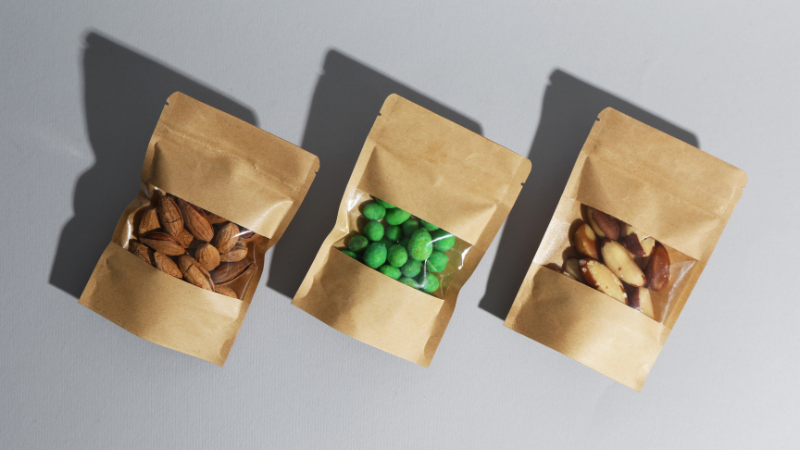
A simple die-cut window transforms a basic box into something special. It creates curiosity, lets customers see the product before opening, and adds visual interest to your packaging.
Window cutouts work especially well for food products, handmade items, or anything visually appealing. The glimpse of what’s inside creates anticipation while maintaining the structure and protection of a full box.
You can customize the window shape to match your brand. Circles, squares, custom shapes, or even your logo silhouette all work. Add a clear acetate insert if you need product protection, or leave it open for a more rustic feel.
Color Blocking with Stock Materials
You don’t need custom printing to create striking packaging. Combine different colored stock materials to create bold, graphic looks.
Pair a white box with bright tissue paper. Use contrasting colored bags and ribbon. Layer materials in unexpected color combinations. The key is choosing colors deliberately rather than randomly.
This approach lets you create seasonal variations without new printing plates. Switch your tissue paper color for holidays. Change ribbon colors for product launches. Keep your base packaging consistent while varying the accents.
Hand-Stamped or Stickered Details
Hand-applied elements add personality and make each package feel individually crafted. A simple “thank you” stamp, a branded sticker seal, or a hand-drawn doodle all communicate care and attention.
Stamps are reusable and cost-effective for small to medium volumes. Custom stickers work great for sealing bags, adding logos to kraft packaging, or including seasonal graphics. These touches take seconds to apply but significantly impact perceived value.
This approach also gives you flexibility. Change stamps or stickers without changing your entire packaging system. Test different messages or designs without committing to large print runs.
Material Innovation Ideas
Unique materials make your packaging inherently different. These options prioritize sustainability, functionality, or memorable tactile experiences.
Compostable Mailers That Actually Decompose
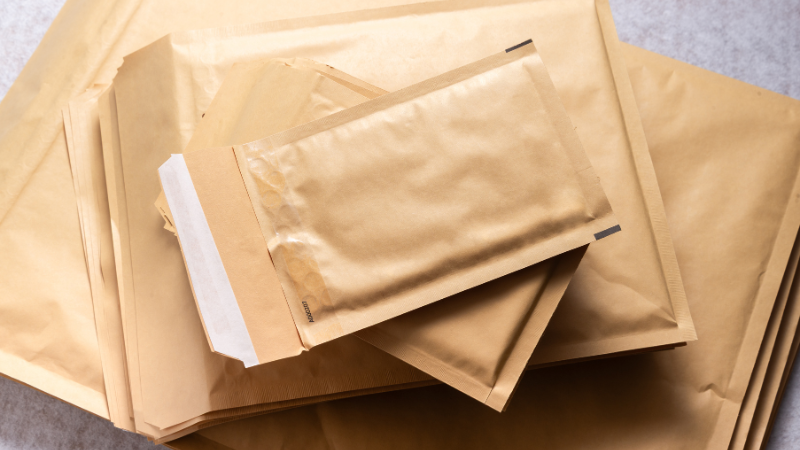
Customers increasingly care about environmental impact. Compostable mailers address this concern while standing out from traditional poly mailers.
These mailers are made from plant-based materials that break down in commercial or home composting systems. They look and feel similar to poly mailers, protecting products during shipping, but they disappear instead of sitting in landfills for centuries.
Clearly communicate the compostable nature on the packaging itself. Customers want to know they’re making an eco-friendly choice, and highlighting this feature reinforces your brand values.
Seed-Embedded Paper That Grows
Packaging that transforms into something living creates a memorable brand experience. Seed-embedded paper can be planted after use, growing into flowers, herbs, or vegetables.
This works beautifully for hang tags, thank you cards, or outer wrapping. Customers don’t throw it away; they plant it. Every time they see the plant growing, they remember your brand.
Choose seeds that match your brand or product. Wildflowers for a natural brand. Herbs for a food company. The growing process becomes an extended brand interaction that lasts months.
Fabric Wrapping Instead of Boxes
Inspired by Japanese furoshiki, fabric wrapping offers a reusable, beautiful alternative to disposable packaging. Customers can reuse the fabric as a scarf, tote, or gift wrap, extending your brand presence.
This approach works especially well for premium products, gifts, or brands emphasizing sustainability and zero waste. The fabric becomes part of the product value rather than waste.
Print your logo or brand pattern on the fabric. Choose colors that match your brand palette. The initial cost is higher than paper, but the brand impression and reusability justify the investment.
Reusable Packaging Customers Keep
Design packaging that has a second life. Boxes that become storage containers. Bags that transform into shoppers. Containers that serve as organizers or display pieces.
When packaging is too nice to throw away, customers keep it. Every time they see it on their shelf or use it again, they remember your brand. It’s ongoing marketing that customers actually appreciate.
Consider functionality beyond just looking nice. Sturdy construction, useful sizes, and thoughtful design details make packaging worth keeping. A beautiful but flimsy box still gets tossed.
Structural Design Ideas
The shape and construction of packaging create immediate visual impact. These ideas focus on form and function working together.
Unconventional Box Shapes
Square boxes are standard because they’re efficient. But breaking that mold creates instant memorability. Triangular boxes, hexagonal containers, pillow boxes, and custom die-cut shapes all grab attention.
Custom boxes in unique shapes communicate that your product is special before customers even see what’s inside. The shape itself becomes part of your brand identity.
Balance uniqueness with practicality. Extremely unusual shapes can create shipping and storage challenges. The goal is distinctive but still functional for your workflow and your customer’s experience.
Self-Assembly Interactive Packaging
Packaging that requires customer participation creates engagement. Origami-style boxes, snap-together designs, or puzzle-like assembly all turn opening a package into an activity.
This works particularly well for brands targeting design-conscious consumers or gift markets. The assembly process slows down the unboxing, making it more memorable.
Include simple, clear instructions. The interaction should feel fun, not frustrating. Test your design with people unfamiliar with it to ensure it’s intuitive enough.
Nested Packaging
Layers create anticipation. A bag inside a box inside a wrap makes customers work through multiple reveals before reaching the product.
Each layer is an opportunity for different branding, messages, or design elements. The outer layer grabs attention. The middle layer builds excitement. The inner layer delivers the product in a polished presentation.
This approach is particularly effective for luxury items, gifts, or subscription boxes where the unboxing experience is part of the product value. It does increase material costs, so reserve it for products that can support the expense.
Packaging That Transforms Into Something Useful
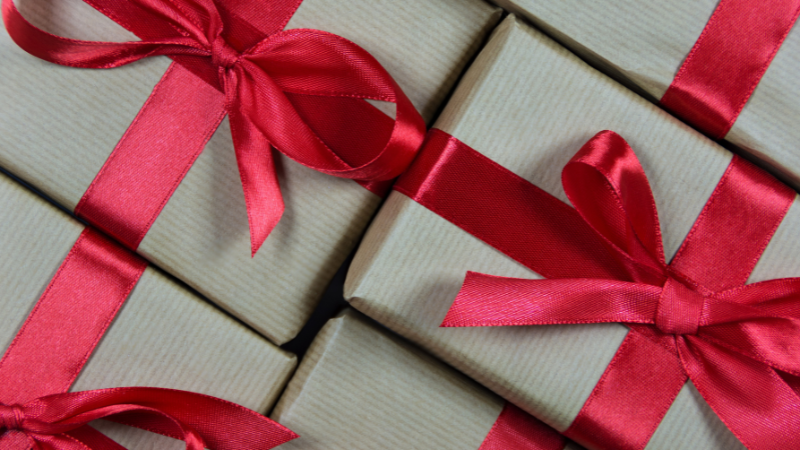
Design packaging that becomes a tool, display, or functional item after opening. Boxes that fold into phone stands. Mailers that become wall art. Containers that organize desk supplies.
This approach creates lasting value beyond the initial unboxing. Your packaging stays in customers’ lives instead of going straight to recycling.
The transformation should be obvious or clearly explained. Include simple instructions or illustrations showing how to repurpose the packaging. Make it easy enough that customers actually do it.
Sensory Experience Ideas
Packaging that engages multiple senses creates stronger memories. These ideas go beyond visual appeal to create full sensory experiences.
Scented Packaging Materials
Smell is powerfully connected to memory. Scented tissue paper, sachets tucked into packages, or lightly fragranced boxes all create olfactory branding.
Choose scents that align with your product and brand. Lavender for calming wellness products. Citrus for energizing health items. Cedar for outdoor or men’s products. Vanilla for food or comfort items.
Keep scents subtle. Overpowering fragrances can trigger sensitivities or overwhelm the product itself. The goal is a pleasant surprise, not a punch of perfume.
Textured Surfaces Customers Want to Touch
Embossing, debossing, soft-touch coatings, and textured papers all invite tactile interaction. When packaging feels interesting to touch, customers pick it up, hold it longer, and remember it better.
Tissue paper with a slight texture adds dimension without adding cost. Boxes with raised logos create a premium feel. Matte coatings with spot gloss create contrast that draws fingers across the surface.
The texture should support your brand positioning. Rough, natural textures work for rustic or eco brands. Smooth, silky finishes suit luxury positioning. Choose textures that tell your brand story through touch.
Sound Elements
The sounds packaging makes during opening create sensory feedback. The satisfying snap of a magnetic closure. The rustle of tissue paper. The crisp tear of a perforated opening strip.
Consider these audio cues when designing packaging. A box that opens with a subtle whoosh feels premium. Crinkly packaging sounds cheap even if it’s not. The right sounds enhance the experience; wrong sounds diminish it.
Test your packaging by closing your eyes and listening. Does it sound like your brand? Does it communicate quality? Sound is often overlooked but significantly impacts perception.
Temperature-Sensitive Materials
Thermochromic inks change color with temperature, creating interactive packaging that responds to touch or environment. This surprise element delights customers and gets shared on social media.
Use it strategically. A hidden message that appears when held. Color-changing logos. Seasonal designs that shift with temperature changes.
This is a premium option best reserved for special editions, product launches, or brands where the novelty aligns with product positioning. It’s a conversation starter that turns packaging into an experience.
Interactive & Tech-Enhanced Ideas
Technology integration creates modern, engaging packaging experiences that bridge physical products with digital brand presence.
QR Codes That Unlock Experiences
QR codes on packaging can link to product information, how-to videos, exclusive content, loyalty programs, or augmented reality experiences. They transform static packaging into a gateway to deeper brand engagement.
Design QR codes as part of your packaging aesthetic rather than an afterthought. Integrate them into patterns, make them brand-colored, or frame them with compelling calls to action.
What you link to matters. Don’t just connect to your homepage. Create specific landing pages for packaged products. Offer something valuable: exclusive discounts, educational content, or entertaining brand stories.
Augmented Reality Elements
AR packaging lets customers point their phones at the package to see animations, 3D product views, or interactive games. It’s particularly effective for brands targeting tech-savvy audiences or products with complex features.
The technology is increasingly accessible. Simple AR experiences can be created without major investment. The key is making the experience worthwhile. It should entertain, educate, or add value, not just exist for novelty’s sake.
Clearly indicate the AR functionality on packaging. Include simple instructions for accessing the experience. Not all customers are familiar with AR, so make activation obvious and easy.
Scratch-Off Messages
Scratch-off panels on packaging create mystery and interaction. Hide discount codes, personalized messages, game elements, or fun facts under scratchable surfaces.
This works well for promotional packaging, limited editions, or brands building community through gamification. The scratch-off action is satisfying and the reveal creates a small moment of excitement.
Vary what’s underneath to keep it interesting. Mix guaranteed rewards with encouragement messages. Create collectible series. Use it to drive specific behaviors like social media follows or repeat purchases.
Packaging That Becomes Part of the Product
Some packaging doesn’t just contain the product; it is the product. Recipe cards printed on box interiors. Origami instructions on wrapping paper. Coloring activities on take-out containers.
This approach maximizes value from every material element. Nothing is purely functional; everything serves multiple purposes. It also creates longer brand interactions as customers use the packaging beyond its original purpose.
Think about what your customers need or enjoy that your packaging could provide. Educational content. Entertainment. Practical tools. Design packaging that solves problems or adds joy.
Unique Packaging Ideas by Industry
Different industries have different packaging needs and opportunities. Here are specific ideas tailored to common business types.
Food & Beverage
Edible packaging: Rice paper wraps, wafer boxes, or vegetable-based films that can be eaten with the product eliminate waste entirely.
Packaging that preserves freshness visibly: Windows showing freshness indicators, color-changing labels that indicate temperature exposure, or clear containers showing product quality.
Recipe integration: Print recipes using your product directly on the packaging. Customers keep the package as a reference, extending brand presence in their kitchens.
Fashion & Apparel
Garment bags that double as storage: Custom retail bags made from breathable fabric that customers use to store off-season clothing keep your brand visible year-round.
Packaging with care instructions as art: Transform boring care labels into beautiful infographics or illustrations printed on interior tissue or hang tags.
Modular packaging systems: Create packaging pieces that can be combined different ways for different products, reducing SKUs while maintaining brand consistency.
Beauty & Cosmetics
Mirror-finish packaging: Reflective surfaces turn packaging into usable mirrors, adding functionality customers appreciate.
Sample sachets built into packaging: Attach sample sachets of complementary products directly to packaging, encouraging cross-product trial.
Refillable luxury containers: Sell refills in minimal packaging that fits into reusable outer packaging, reducing waste while maintaining premium presentation.
eCommerce & Subscription Boxes
Personalized exterior addressing: Print customer names or personalized messages directly on mailer boxes instead of using separate labels.
Progress indicators for subscriptions: Show which box number in a series through design elements, creating collectibility and visual progression.
Community-driven design: Feature customer photos, testimonials, or user-generated content on packaging, making subscribers feel part of something bigger.
Getting Started: Your Action Checklist
Ready to implement unique packaging ideas? Follow this checklist to move from concept to reality.
Brainstorming Phase:
- Review your brand personality and values
- Identify what makes your product special
- List 3-5 unique packaging ideas that align with your brand
- Consider your budget constraints and timeline
- Think about your customer’s unboxing experience
Research Phase:
- Look at competitors’ packaging to ensure differentiation
- Order samples of materials or techniques you’re considering
- Calculate costs for your top 2-3 ideas
- Check production minimums and lead times
- Verify shipping and storage implications
Testing Phase:
- Create rough prototypes of your favorite ideas
- Test functionality with actual products
- Get feedback from team members and trusted customers
- Photograph prototypes to see how they appear in images
- Assess whether the unique elements work at scale
Production Phase:
- Choose your final design approach
- Work with suppliers to refine specifications
- Order small initial run to test in real conditions
- Document assembly or packing instructions for your team
- Plan for ongoing inventory management
Launch Phase:
- Create social media content highlighting unique packaging
- Encourage customers to share unboxing experiences
- Track customer feedback and response
- Monitor for any functionality issues
- Plan next iteration based on learnings
Before reaching out to packaging suppliers, know your quantities, timeline, budget range, and have visual references for what you want to achieve. This speeds up the quote process and ensures accurate pricing.
Frequently Asked Questions
How do I make packaging unique without spending a fortune?
Start with creative use of standard materials rather than custom manufacturing. Custom printed tape, strategic color choices, hand-applied stamps or stickers, and thoughtful material combinations all create uniqueness without custom tooling costs. Focus on one distinctive element rather than trying to make everything custom. Sometimes a single unique touch, like an unexpected color tissue paper or a creative hang tag, is enough to make packaging memorable.
What’s the most popular unique packaging trend right now?
Sustainable materials combined with minimalist design are currently dominating. Customers want eco-friendly packaging that doesn’t sacrifice aesthetics. Compostable mailers, recycled materials, and reusable packaging all align with this trend. Interactive elements like QR codes linking to brand experiences are also growing, especially for brands targeting younger demographics who expect digital integration.
Can small businesses create unique packaging?
Absolutely. Small businesses often have more flexibility to try creative approaches than large corporations with established packaging systems. Start with low-minimum suppliers, use hand-applied customization for small runs, or partner with local artisans for truly unique elements. Your size is an advantage; you can test, iterate, and personalize in ways bigger companies can’t. At Plus Packaging, we work with businesses of all sizes and offer flexible minimums for custom packaging.
How do I test if my unique packaging idea will work?
Create simple prototypes using readily available materials. Test them with actual products in real conditions: pack items, ship them to yourself, see how they arrive. Get feedback from people outside your team who represent your target customers. Take photos to see how packaging photographs for social media. Consider functionality alongside aesthetics. Beautiful packaging that’s frustrating to open or doesn’t protect products well will hurt more than help.
Where can I see examples of unique packaging?
Look beyond your direct competitors. Visit retail stores in different industries, browse unboxing videos on YouTube, follow packaging design accounts on Instagram and Pinterest, and check design award sites like The Dieline or Packaging of the World. Trade shows and industry events also showcase innovative packaging. Pay attention to what makes you pause and remember certain packages; those insights inform your own unique approach.
Final Thoughts
Unique packaging doesn’t require reinventing everything. It requires thoughtful choices that align with your brand and resonate with your customers.
The ideas in this guide come from decades of experience creating custom packaging for thousands of businesses. We’ve seen what works in production, what customers respond to, and what actually makes a difference in how brands are perceived.
Ready to create packaging that stands out? Explore our custom packaging options and let’s build something unique together.