

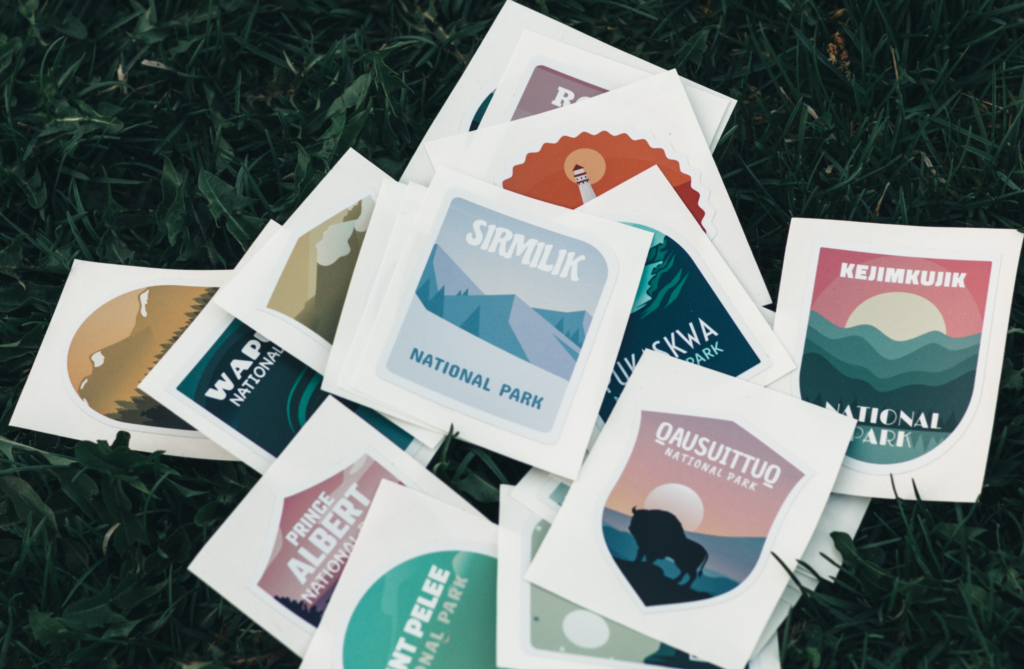
If you sell stickers, you already know the product itself is rarely the problem. Stickers are cheap to make, easy to design, and customers love them. The real challenge shows up at the shipping stage. Pick the wrong mailer and your stickers arrive bent, creased, soaked, or peeling at the edges. Pick the right one and every unboxing feels like it was made for social media.
This guide breaks down the best mailer options for shipping stickers, what to look for in each, and when one type makes more sense than another.
What Stickers Actually Need From Packaging
Before comparing mailer types, it helps to know what you’re protecting against. Stickers are thin, flat, and usually printed on vinyl or paper with an adhesive backing. That makes them vulnerable to three things in transit:
- Bending and creasing. A mailer that flexes too easily lets stickers fold in the mail truck or sorting machine.
- Moisture. Paper-backed stickers can warp or stick to packaging if they get damp.
- Shifting inside the package. Loose stickers rattling around a box can scratch or curl at the corners.
With that in mind, here’s how the main mailer categories stack up.
Paper Mailers
Paper Mailers are one of the most popular choices for sticker shops, and for good reason. They’re lightweight, recyclable, and easy to brand with a printed design or logo. For small sticker orders, sheets, or single sticker sheets, a paper mailer does the job without adding bulk or unnecessary cost.
The tradeoff is that standard paper mailers offer limited cushioning on their own. If you’re shipping stickers that are die-cut, layered, or slightly raised, you’ll want to reinforce the mailer with a chipboard insert or backing card to stop them from bending in transit. Many sticker sellers pair a rigid insert with a paper mailer to get a professional, flat-shipped result at a lower cost than padded options.
Bubble Mailers
Bubble Mailers add a layer of cushioning that paper alone can’t match. The bubble lining absorbs impact, which matters if your stickers are bundled with other items, like enamel pins, keychains, or small merch pieces that could press against the stickers and leave marks.
For larger sticker packs or subscription boxes that include multiple sticker sheets, a bubble mailer keeps everything protected without needing a full box. It’s also a solid option if your shipping route involves multiple handling points, since the extra padding reduces the risk of creasing from stacking or rough sorting.
One thing to watch: bubble mailers are bulkier than paper mailers, which can bump up shipping costs slightly depending on your carrier’s dimensional weight rules.
Paper Padded Mailers
If you want the cushioning of a bubble mailer but prefer an all-paper, more sustainable feel, Paper Padded Mailers are worth a look. These use a paper-based cushioning layer instead of plastic bubble wrap, so they still protect stickers from bending while staying easier to recycle.
This option works especially well for sticker brands that market themselves as eco-conscious but still ship products that need a bit of structural protection, like thicker vinyl decals or sticker packs with multiple pieces.
Compostable Mailers
Sustainability matters more and more to sticker buyers, especially in the indie art and small business space. Compostable Mailers are made from plant-based materials that break down naturally, giving you a shipping option that matches an eco-friendly brand without sacrificing durability.
They hold up well for flat sticker sheets and lighter orders, and they seal securely enough to keep moisture out during normal transit. If part of your brand story is about reducing plastic waste, pairing your stickers with a compostable mailer reinforces that message the moment the package arrives.
Custom Poly Mailers
For sticker sellers shipping at higher volume or across longer distances, Custom Poly Mailers are hard to beat on durability. They’re tear-resistant, waterproof, and flexible enough to handle rough transit without ripping open. That waterproofing is a real advantage for stickers, since it keeps adhesive backing and printed designs safe from rain, humidity, or a damp mailbox.
Poly mailers also print well, which means you can turn the shipping bag itself into a branding opportunity with a full-color design on the outside. Many sticker shops use custom poly mailers specifically because they’re lightweight, which keeps postage costs down while still offering strong protection compared to a plain paper envelope.
If you’re shipping sticker sheets flat, adding a rigid insert inside a poly mailer is still a good idea, since the bag itself won’t stop stickers from bending on its own. Combined with a stiffener, poly mailers give you weatherproofing and bend resistance in one package.
Choosing the Right Mailer Based on Order Type
Here’s a quick way to think about it based on what you’re shipping:
- Single sticker sheets or small orders: A paper mailer with a chipboard insert keeps costs low while preventing bending.
- Bundled orders with other merch: A bubble mailer adds cushioning against pressure from other items in the same package.
- Eco-focused brands wanting cushioning: Paper padded mailers offer protection without relying on plastic bubble lining.
- Sustainability-first shops: Compostable mailers match the eco message without giving up seal strength.
- High-volume or long-distance shipping: Custom poly mailers offer the best combination of waterproofing, durability, and low shipping weight.
A Few Packing Tips That Matter More Than the Mailer Itself
Even the best mailer won’t save stickers packed carelessly. A few habits go a long way:
- Always ship sticker sheets flat, never folded.
- Use a rigid backing card behind the stickers, especially in soft mailers like paper or poly bags.
- Seal mailers fully, including corners, to keep moisture out.
- Avoid overstuffing a mailer, which can cause creasing at the seams.
- If shipping die-cut stickers loose, place them inside a small resealable sleeve before adding them to the mailer to prevent shifting.
Final Thoughts
There’s no single best mailer for every sticker shop. The right pick depends on your order size, your brand’s sustainability goals, and how far your packages are traveling. Small, low-cost orders usually do well in a paper mailer, bundled orders benefit from the cushioning in a bubble mailer, eco-conscious shops can lean on paper padded mailers or compostable mailers, and shops shipping in volume or across long distances get the most reliable protection from custom poly mailers.
Whichever option you choose, pairing it with a rigid insert and a full seal will keep your stickers arriving the way they left your workspace: flat, clean, and ready to stick.