

Shoes create a packaging problem that most other products don’t. They’re bulky enough that a flat mailer won’t sit right against them, structured enough that some styles bend or crease under pressure, and in the resale market, the shoebox itself often carries as much value as the shoes inside it. A scuffed shoebox can knock real money off a sneaker’s resale price, which means the packaging decision isn’t just about protecting the shoes anymore. It’s about protecting the whole package.
This guide breaks down which mailer works for which type of shoe, when a mailer is the wrong call entirely, and how to size and pack footwear so it arrives the way it left.
What Shoes Actually Need From Packaging
Before picking a mailer type, it helps to separate the different risks shoes face in transit, since they don’t all call for the same fix.
- Crushing and shape loss. Structured shoes like boots, heels, and anything with a stiff toe box or built-in support can lose their shape if compressed under other packages. Soft, flexible footwear like sandals or knit sneakers handles this much better.
- Scuffing and surface damage. Leather, suede, and glossy finishes scratch easily against rough material or other shoes shifting inside the packaging.
- Box damage. For resale sellers, the original shoebox is part of what the buyer is paying for. A crushed or torn box can lower the resale value of an otherwise perfect pair.
- Moisture damage. Water reaching leather, suede, or canvas can stain or warp the material, which makes a fully waterproof outer layer worth having regardless of what shoe type you’re shipping.
The type of shoe and whether the original box is going along for the ride are really what decide which mailer makes sense.
Should You Ship the Shoebox or Skip It?
This is the first decision to make, and it changes everything downstream.
Shipping with the original box is standard for resale platforms like eBay, Poshmark, GOAT, and StockX, where buyers expect the box to arrive in reasonable condition. In this case, the box becomes the rigid protection, and the mailer’s job shifts to keeping the box itself dry and free from crushing or tearing on the outside.
Shipping without the box is common for lower-cost or lightweight shoes, gifts where the box doesn’t matter, or sellers trying to cut shipping weight and cost. Without the box’s structure, the mailer or an inner wrap has to do more of the protective work directly against the shoe.
Neither approach is universally right. It depends on the shoe type, the platform you’re selling on, and how much the buyer cares about the box.
Mailer Types for Shoes, Compared
Poly Mailers: The Standard for Soft Shoes and Boxed Sneakers
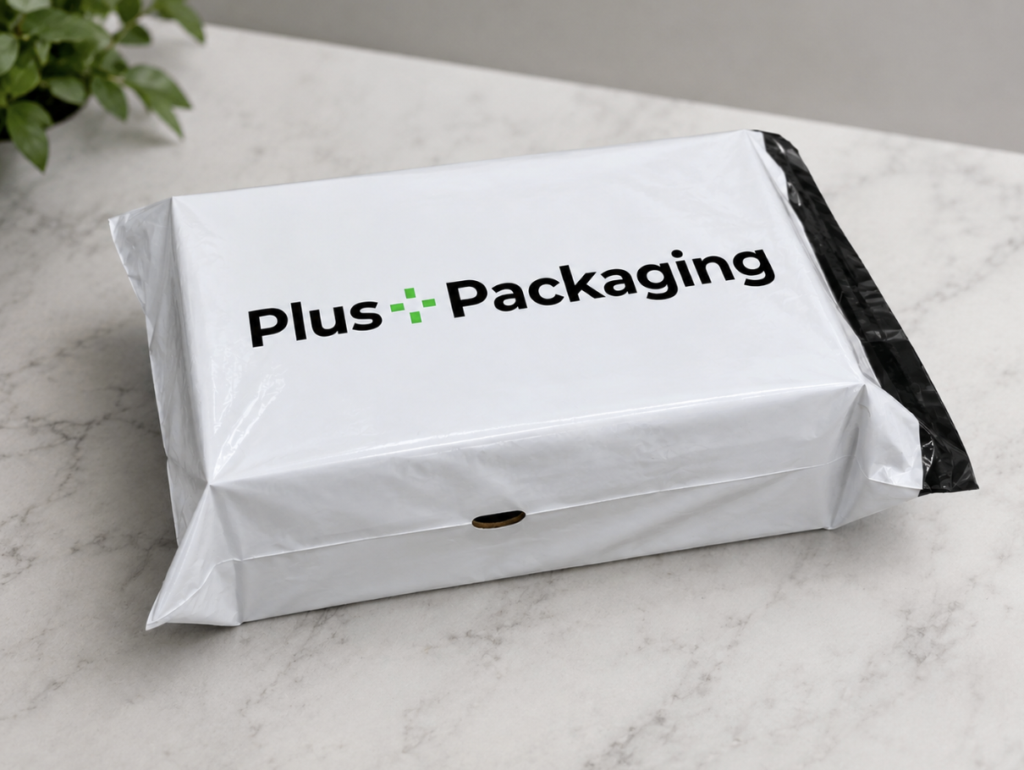
Custom Poly Mailers are the most common choice for shipping shoes, and for good reason. They’re fully waterproof, cost far less than a box, and take up less shipping volume, which often lowers the total shipping cost.
Poly mailers work well in two situations:
- Soft, flexible footwear shipped without a box, such as sandals, slippers, canvas sneakers, and kids’ shoes
- A shoebox wrapped inside a properly sized poly mailer, where the box provides the structure and the mailer adds a waterproof outer layer
For the second case, sizing matters more than people expect. The poly mailer needs enough room to fit the box’s full length and width without stretching at the seams, and a gusseted or expansion-style mailer handles this better than a flat one, since the extra depth keeps the film from pulling tight against the corners of the box.
What poly mailers don’t do well is protect structured shoes shipped without their box. Boots, heels, and anything with a stiff toe box need rigid support that a flexible bag simply can’t provide on its own.
Bubble Mailers: Better Protection for Boxless or Higher-Value Shoes
Bubble Mailers add a layer of cushioning that a plain poly mailer doesn’t have, which matters when a shoe is shipping without its original box or has a finish that scuffs easily. The bubble lining absorbs impact from drops and rough handling, and the poly exterior still keeps moisture out.
Bubble mailers are a strong fit for:
- Single shoes or lighter pairs shipped without a box
- Leather or suede footwear where surface scuffing is a real concern
- Sellers who want more protection than a standard poly mailer without stepping up to a full shipping box
They still won’t stop a structured shoe from losing its shape under pressure, so for boots and stiff-soled styles shipped boxless, a rigid mailer or small box is still the safer call.
Paper Mailers: A Lower-Impact Option for Light, Low-Value Pairs
Paper Mailers suit sellers who want a plastic-free outer layer for light, casual footwear that isn’t especially delicate. Kraft paper has a bit more structure than thin poly film, and it fits a brand that leans into a natural, understated look.
The trade-off is water resistance. Paper mailers don’t hold up to rain and humidity the way a poly-backed mailer does, so they’re best reserved for dry climates or paired with a protective inner wrap around the shoes themselves.
Paper Padded Mailers: Cushioning Without Plastic Bubble Lining
Paper Padded Mailers use crumpled or recycled paper fiber instead of an air-bubble layer, giving a fully paper-based option that still offers some cushioning. For shoe brands building a sustainability angle into their packaging, this is often a better fit than a plastic bubble mailer while still protecting the shoe better than a flat paper mailer alone.
Paper padded mailers work well for boxed pairs or lighter, less structured footwear, and as with plain paper mailers, they’re a better match for drier shipping routes unless paired with an inner layer that guards against moisture.
Compostable Mailers: For Eco-Focused Footwear Brands
Compostable Mailers break down under industrial composting conditions, which appeals to shoe brands and resale sellers whose customers care about where packaging ends up after the box is opened. Because compostable film generally has less structural strength than poly or bubble-lined material, they’re best suited to lighter, softer footwear rather than heavy boots or a shoebox with real weight behind it.
A compostable mailer wrapped around a shoebox for lighter sneakers or flats gives you the sustainability story without giving up meaningful protection, especially if the box itself is doing the structural work.
Quick Comparison
| Mailer Type | Best For | Structure | Water Resistance |
| Poly Mailers | Boxed shoes, soft or flexible footwear shipped boxless | Low | High |
| Bubble Mailers | Boxless shoes, leather or suede, resale shipments | Moderate | Moderate to high |
| Paper Mailers | Light, low-value pairs, plastic-free branding | Low to moderate | Low |
| Paper Padded Mailers | Boxed shoes, sustainability-focused brands | Moderate | Low to moderate |
| Compostable Mailers | Light footwear, eco-conscious sellers | Low to moderate | Moderate |
When a Box Beats a Mailer
Mailers aren’t always the right call, and knowing when to switch is part of packing shoes well.
- Structured shoes shipped without their original box. Boots, heels, and anything with a stiff toe box need the rigid support only a box can give.
- Multi-pair orders. Once you’re shipping more than one pair together, the combined weight and the risk of pairs shifting into each other calls for a corrugated box rather than a mailer.
- High-value resale pairs. For a pair worth shipping insured or with signature confirmation, the extra protection of a double box, an outer shipping box wrapped around the original shoebox, is worth the added cost.
- Long-distance or multi-carrier routes. The more times a package changes hands, the more it benefits from rigid protection rather than a single flexible layer.
For these cases, a Shipping Box or Mailer Box gives crush resistance a flat or padded mailer can’t match.
Sizing Guide
Getting the size right matters more for shoes than for most other products, since an overly loose mailer lets a boxed pair slide and take corner damage, while an undersized one stretches and risks tearing.
| Shipment Type | Suggested Mailer Size |
| Single sandal, slipper, or flat (boxless) | 10″ x 13″ bubble or poly mailer |
| Pair of sneakers or flats (boxless, folded flat where possible) | 12″ x 15.5″ mailer |
| Standard shoebox (single pair) | 14.5″ x 19″ or 19″ x 24″ expansion poly mailer |
| Boot box or oversized shoebox | 19″ x 24″ gusseted mailer, or a shipping box |
| Multi-pair order | Corrugated shipping box, sized to the combined footprint |
A few practical rules:
- Measure the box’s full length, width, and height, not just its footprint, since a mailer needs to accommodate the depth too.
- Choose a gusseted or expansion-style mailer for anything boxed. A flat mailer stretched over a shoebox is more likely to tear at the seams.
- For boxless shoes, keep slack to a minimum. Extra room lets the shoe shift and increases the odds of scuffing or a bent toe box.
- Film thickness matters on rougher routes. A 2.5 to 3 mil poly mailer holds up better than a standard 1.7 mil bag when a shoebox has real corners and weight behind it.
Packing Steps That Actually Protect the Shoe
- Clean the shoes before packing. Presentation matters, especially for resale, and a clean pair photographs and arrives better.
- Stuff the toe box. Tissue paper packed into the toe helps the shoe hold its shape during transit rather than collapsing under pressure.
- Wrap each shoe individually. Tissue Paper or a thin layer of bubble wrap prevents the pair from scuffing against each other.
- Place the pair heel to toe. This is the standard way to fit two shoes into a box or bag without unnecessary bulk.
- Protect the original box separately from the shoes. If the box matters for resale value, avoid taping directly onto it. Use painter’s tape or a printed shipping label on the mailer itself, not the shoebox.
- Fill remaining space. Crumpled paper or air pillows keep the box or bag from shifting during transit without adding much weight.
- Seal with a strong closure. For boxes, tape every seam. For mailers, check that the self-seal adhesive strip is rated to hold under the weight of a full shoebox, not just a light item.
Special Cases
Resale and marketplace sellers. Platforms like eBay, Poshmark, GOAT, and StockX generally accept poly mailers wrapped around the original box, but higher-value pairs draw more buyer scrutiny over box condition. When resale value depends on the box, treat the box as part of the product and package accordingly, ideally with a rigid outer layer rather than a mailer alone.
Leather and suede footwear. These materials are more sensitive to both moisture and surface scuffing than canvas or synthetic uppers. A fully waterproof mailer and an individual wrap for each shoe matter more here than for more durable materials.
Kids’ shoes and lightweight pairs. These typically ship well in a smaller poly or bubble mailer without the original box, since the shoes are lighter, less structured, and less likely to lose shape under light compression.
Multi-pair or bulk orders. Beyond two or three pairs, a corrugated box with dividers or individual wrapping per pair protects better than trying to fit everything into an oversized mailer.
What to Ask Before Ordering in Bulk
If you’re moving from occasional shipments to a steady volume of footwear orders, a few questions are worth settling with a packaging supplier before committing to a large run:
- Do you offer expansion or gusseted mailers sized for standard and oversized shoeboxes, or will that need a custom order?
- What film thickness do you recommend for boxed shoes versus boxless, lighter footwear?
- Can I get a sample to test fit against my actual shoebox size before ordering in bulk?
- What’s the adhesive strength on the self-seal closure, and is it rated to hold under the weight of a full shoebox?
- Do you offer complementary packaging, such as Custom Kits, Printed Tape, or Straight Tuck End Boxes, for brands that want a full unboxing experience beyond the mailer?
- What’s the production and shipping lead time, particularly ahead of release drops or high-demand resale periods?
Frequently Asked Questions
Can I ship shoes in a poly mailer without a box? Yes, for soft and flexible footwear like sandals, slippers, and canvas sneakers. Structured shoes such as boots and heels need rigid support that a poly mailer alone can’t provide, so those are better shipped in their original box or a small shipping box.
What size poly mailer fits a standard shoebox? Most standard shoeboxes fit well in a 14.5 by 19 inch or 19 by 24 inch expansion poly mailer with gusseted sides, which gives enough room to fit the box without stretching the seams.
Do I need to double box shoes for resale shipping? For higher-value pairs where the original box condition affects resale price, an outer shipping box around the original shoebox adds protection against crushing and corner damage that a mailer alone won’t provide.
Is a bubble mailer better than a poly mailer for shoes? It depends on whether the shoes are boxed. For a boxed pair, a poly mailer is usually enough since the box itself provides structure. For boxless shoes, especially leather or suede pairs, a bubble mailer adds cushioning a plain poly mailer doesn’t have.
Are compostable mailers strong enough to ship shoes? For lighter, boxed pairs, yes, especially when the box provides most of the structure. For heavier boots or anything shipped without a box, compostable film generally isn’t rigid enough on its own, so it’s worth pairing with an inner wrap or reserving compostable mailers for lighter footwear.
Final Thoughts
Shoes don’t have one right mailer. The correct choice depends on whether the original box is going along for the ride, how structured the shoe is, and how much surface damage or box condition actually matters to the buyer. Poly Mailers cover most boxed shipments and soft footwear well. Bubble Mailers step in when a shoe ships without its box or needs extra cushioning against scuffs. Paper Mailers and Paper Padded Mailers offer lower-impact options for brands moving away from plastic, and Compostable Mailers round out the sustainable end for lighter pairs.
Size the mailer to the box, not just the shoe, protect the toe box and heel from compression, and treat the original shoebox as part of what you’re shipping whenever resale value depends on it. That combination is what keeps a pair of shoes, and the box they came in, arriving exactly as they left.