

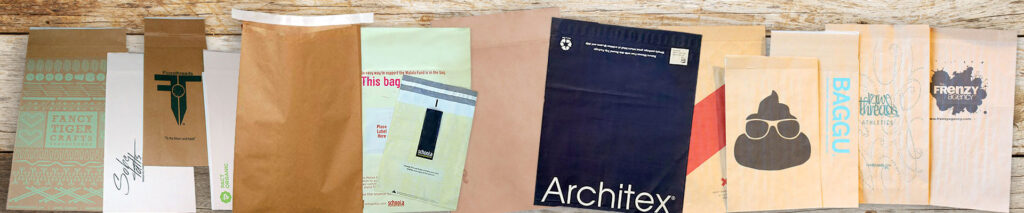
Choosing the right mailing bag is one of those decisions that feels minor until it goes wrong. A bag that splits at the seam, arrives soaked, or makes your brand look cheap can cost you a customer, a return shipment, or both. On the flip side, the right mailing bag protects your product, reinforces your brand, and keeps shipping costs in check.
This guide walks you through every factor that matters when selecting mailing bags for your business, from material and size to security and sustainability. We cover the five main types of poly mailing bags, paper mailers, bubble mailers, compostable mailers, and paper padded mailers so you can match the right bag to what you ship.
What Type of Mailing Bag Do You Actually Need?
Before anything else, you need to understand the category of bag that suits your products. Each type serves a different purpose, and using the wrong one leads to damage, waste, or excessive cost.
Poly Mailing Bags
Poly mailing bags are lightweight, water-resistant, and tear-resistant. They are the workhorse of ecommerce shipping, widely used for clothing, accessories, and any non-fragile item that does not need cushioning. Because they are lighter than boxes or padded alternatives, they help keep postage costs down at scale.
Custom poly mailing bags are also an excellent canvas for branding. A bright, well-designed exterior turns every delivery into a marketing touchpoint. If you ship high volumes of soft goods, poly mailers should be your baseline option.
Best for: Apparel, accessories, fabric goods, non-breakable flat items.
Paper Mailers
Paper mailers offer a more premium, tactile feel compared to poly bags. They photograph well, feel substantial in the hand, and are easy for customers to recycle, which matters to a growing segment of shoppers.
The trade-off is that standard kraft paper absorbs moisture, so paper mailers are not ideal when your shipments regularly move through wet or humid conditions. If moisture is a real risk, look at poly-lined paper options or switch to poly mailing bags for those routes.
Best for: Lifestyle brands, fashion, stationery, gifts, any product where presentation and recyclability matter.
Bubble Mailers
Bubble mailers combine an outer poly or paper shell with a layer of bubble cushioning inside. They protect moderately fragile items without requiring a full box, which saves on both material cost and dimensional weight charges from carriers.
Think of them as the middle ground between a standard mailing bag and a full shipping box. Small electronics, cosmetics, books, and similar items that need some shock protection but do not need rigid packaging are ideal candidates for bubble mailers.
Best for: Books, cosmetics, small electronics, jewelry, anything that needs light cushioning.
Compostable Mailers
Compostable mailers are designed to break down in home or industrial composting conditions. For brands built around sustainability, they offer a shipping solution that is consistent with your values and resonates with eco-conscious customers.
These bags have improved significantly in strength and printability, so choosing an eco-friendly option does not mean sacrificing a polished brand look. Many customers notice and appreciate when a brand ships in compostable mailers, and some will share that experience online.
Best for: Sustainable brands, organic products, zero-waste businesses, any business where environmental impact is a core brand value.
Paper Padded Mailers
Paper padded mailers use layers of crinkled or honeycomb kraft paper instead of plastic bubble wrap for interior cushioning. They are recyclable curbside in most areas, making them a strong choice for brands that want protective packaging without relying on plastic materials.
The padding performs well for items that need light to moderate protection, and the kraft exterior looks clean and professional. For brands moving away from plastic bubble mailers, paper padded mailers are a practical, well-regarded alternative.
Best for: Eco-conscious brands shipping fragile-but-not-delicate items, books, boxed goods, cosmetics.
7 Key Factors When Choosing Mailing Bags
1. Match the Material to Your Product and Brand
The material you choose should protect your product, survive the shipping journey, and say something intentional about your brand.
Plastic (poly): Lightweight, waterproof, puncture-resistant. Poly mailing bags are cost-effective and durable, making them the default choice for high-volume ecommerce. Modern versions are often made from recycled content, which softens the environmental footprint.
Paper: Recyclable and premium-feeling. Paper mailers work well for brands that want a more natural look and feel. Pair them with branded tissue paper inside for an elevated unboxing experience.
Compostable bio-materials: If your customers care about sustainability, compostable mailers communicate that you do too. This material choice can become part of your brand story.
Padded variants: When you need protection without a full box, bubble mailers and paper padded mailers provide cushioning with lower dimensional weight than rigid packaging.
Customers notice packaging material choices more than most businesses realize. A material that aligns with your brand identity builds trust with the right audience.
2. Get the Size Right
Sizing sounds straightforward, but it trips up many businesses. An oversized bag wastes material, looks unprofessional, and can actually cost more in postage due to dimensional weight pricing from carriers. An undersized bag risks damaging the product or forcing you to cram it in, which looks just as bad when the customer opens it.
The right approach is to measure your most common product sizes accurately, then allow room for any internal packaging like tissue paper or bubble wrap. Aim for a snug fit with a small buffer, not an empty bag that lets the product shift around in transit.
Stocking a few standard sizes gives you flexibility. Matching the bag to the order rather than forcing every item into one size saves money over time and results in a neater, more professional package.
3. Brand Your Packaging
A plain, generic bag is a missed opportunity. Your poly mailing bags, paper mailers, and bubble mailers are the first physical thing a customer interacts with. That moment of receiving a package is a genuine brand touchpoint.
Custom-printed bags with your logo, brand colors, and a consistent visual identity do several things at once:
- They create a professional first impression before the product is even revealed
- They increase perceived value, which can reduce buyer’s remorse and returns
- They serve as passive advertising when packages sit on doorsteps or in mail rooms
- They make your packages recognizable and memorable
Custom packaging does not require a massive minimum order. Plus Packaging offers custom branding across all bag types, including poly mailing bags, paper mailers, compostable mailers, and more.
4. Think About Reusability and Returns
A bag with a second peel-and-seal strip is a small touch that makes a real difference for customers who need to return an item. They do not have to hunt for a replacement envelope, and the return process feels less frustrating.
Beyond returns, reusable packaging keeps your brand in front of the customer longer. Every time they use the bag again for something else, your logo goes along for the ride.
For businesses with frequent returns, like fashion and footwear retailers, adding a second adhesive strip to your poly mailing bags or paper padded mailers is a small investment that reduces friction and improves the customer experience.
5. Prioritize Security Features
A mailing bag that can be reopened without obvious evidence is a liability. Look for these features when evaluating bags:
Tamper-evident seals: Any interference leaves a visible mark or tears the bag in a way that cannot be disguised.
Strong self-adhesive closures: A permanent, reliable seal keeps the bag closed throughout the shipping process. Test adhesion on your specific bag before committing to a large order, particularly if you ship to locations with temperature extremes.
Double-lined construction: For higher-value items, extra layers add physical resistance to puncturing and tearing.
Customers notice and appreciate packaging that clearly protects their purchase. It signals that you take the delivery process seriously, which builds confidence in your brand.
6. Know Your Audience
Your mailing bag choice should match what your customers expect and value. This is not just about aesthetics; it is about alignment between your packaging and your brand promise.
A sustainable clothing brand shipping to environmentally conscious shoppers should look at compostable mailers or paper padded mailers. A high-volume ecommerce business prioritizing cost efficiency should lean on poly mailing bags. A boutique skincare brand delivering a premium experience should consider bubble mailers with custom printing and tissue paper inside.
Packaging that resonates with your specific customer base reinforces the purchase decision and makes customers more likely to buy again. Packaging that feels off-brand, even subtly, can undermine confidence.
7. Balance Quality and Cost
Packaging is not the place to cut corners, but it is also not a place to overspend. The goal is the best protection and presentation for your product at a cost your margins can support.
A few factors that affect cost:
Material: Compostable mailers and paper padded mailers typically cost more per unit than standard poly mailing bags. Know the premium you are paying and weigh it against brand value.
Weight: Heavier bags cost more to ship. Lightweight poly mailing bags reduce postage costs at scale, which matters when you are shipping hundreds or thousands of orders per month.
Order quantity: Custom printing and packaging becomes more cost-effective at higher volumes. If you are ordering small quantities, consider whether a semi-custom approach (printed stickers on standard bags, for example) bridges the gap.
Returns and damage: A cheaper bag that leads to more damaged shipments and returns can end up costing more than a better bag would have. Factor in the true cost of damage, not just the unit price.
| Bag Type | Best For | Protection Level | Eco-Friendly | Typical Cost |
| Poly Mailing Bags | Soft goods, apparel, high volume | Basic, water-resistant | Recyclable options available | Low |
| Paper Mailers | Premium brands, stationery, gifts | Basic | High (recyclable) | Low-Medium |
| Bubble Mailers | Cosmetics, books, small electronics | Moderate cushioning | Varies | Medium |
| Compostable Mailers | Eco brands, sustainable products | Basic | Highest | Medium-High |
| Paper Padded Mailers | Fragile-light items, eco brands | Moderate cushioning | High (fully recyclable) | Medium-High |
Common Mailing Bag Mistakes to Avoid
Choosing by price alone. The cheapest bag often leads to damage, and damage leads to returns, refunds, and lost customers. Calculate the true cost.
Ignoring moisture. Standard kraft paper mailers can fail in wet conditions. If your products ship in varied climates, poly mailing bags offer more reliable moisture protection.
Skipping the size audit. Many businesses standardize on one or two bag sizes without regularly reviewing whether those sizes still match their product range. A quarterly size audit can save money and improve presentation.
Overlooking return logistics. If you run a fashion or accessories brand, bags without a second adhesive strip create friction in the returns process. Consider poly mailing bags or paper mailers with double-seal closures.
Treating packaging as an afterthought. Your bag is part of the customer experience. A thoughtful, well-chosen bag reinforces confidence in your brand. A generic, flimsy bag undermines it.
Frequently Asked Questions
What is the most cost-effective mailing bag for high-volume shipping?
Poly mailing bags are the most cost-effective option for most ecommerce businesses. They are lightweight, which reduces carrier charges, and durable enough to protect non-fragile goods without additional internal packaging in most cases.
Are compostable mailing bags as durable as poly bags?
Modern compostable mailers have improved substantially in strength and tear resistance. They are not quite as tough as thick poly, but they perform well for most standard ecommerce shipments. For very heavy or sharp-edged items, a poly bag or padded option remains the safer choice.
Can I get mailing bags with my logo printed on them?
Yes. All major bag types, including poly mailing bags, paper mailers, bubble mailers, compostable mailers, and paper padded mailers, are available with custom printing. Plus Packaging specializes in branded packaging with professional design support.
What mailing bag should I use for fragile items?
For light to moderate fragility, bubble mailers or paper padded mailers provide cushioning without the bulk of a shipping box. For genuinely fragile items, consider a rigid mailer box with internal padding.
How do I know what size mailing bag I need?
Measure your product’s length, width, and height. Add at least one to two inches on each dimension to allow for any internal packaging and sealing. For flat items like folded clothing, a snug fit with minimal extra space is fine. For items with more bulk, leave room so the bag does not bulge or strain at the seams.
Choosing Plus Packaging for Your Mailing Bags
With over 40 years in custom-branded packaging, Plus Packaging supplies businesses across ecommerce, retail, fashion, and food with mailing solutions that balance protection, presentation, and cost. Every bag type in the lineup, from lightweight poly mailing bags to sustainable compostable mailers and protective bubble mailers, is available with full custom branding.
The team includes dedicated packaging consultants and in-house graphic design support, so you are not just ordering bags off a shelf. You are getting a packaging partner who helps you find the right solution for your products, your brand, and your budget.
If you are ready to upgrade your mailing bags, the process starts with a free quote. Describe your products, your volume, and what matters most to your brand, and the team will match you with the right option from the range.