

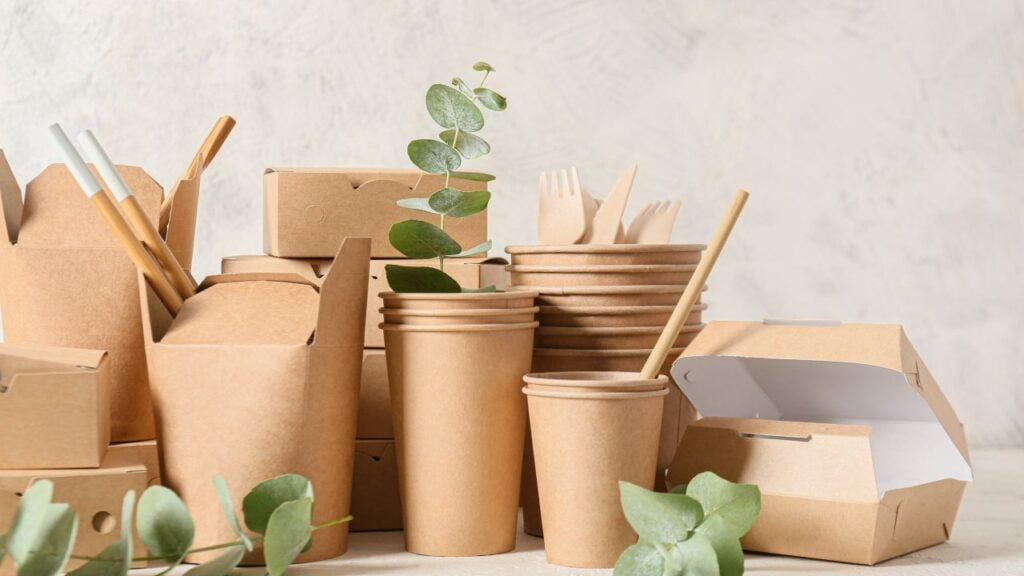
Custom packaging is essential for food products. It keeps food safe and fresh while helping brands stand out.
In this article, we’ll explore why custom packaging is important, the types of packaging, materials used, design tips, rules to follow, and its impact on the environment. We’ll also answer some common questions.
Importance of Custom Packaging
Custom packaging is crucial for many reasons:
- Firstly, it ensures food safety. Proper packaging protects food from contamination, moisture, and other factors that can spoil it. This is especially important for perishable items like dairy, meat, and fresh produce. Good packaging extends the shelf life of these products, ensuring they reach consumers in the best possible condition.
- Branding is another critical aspect. Packaging is often the first thing a customer notices about a product. A well-designed package can make a product stand out on the shelves and attract attention. The design, colors, and logo should reflect the brand’s identity and appeal to the target audience. Effective branding through packaging drives customer recognition and loyalty, which is vital in a competitive market.
- Additionally, custom packaging provides essential information. Labels can include nutritional facts, ingredients, expiration dates, and usage instructions. This information helps consumers make informed choices about the food they buy and eat. Accurate and clear labeling is not only helpful but often required by law to ensure transparency and consumer safety.
- Moreover, custom packaging enhances functionality. Features like resealable zippers, easy-open tabs, and portion control compartments make products more convenient to use. Convenience is a significant factor for many consumers, and packaging that addresses this can boost customer satisfaction and sales.
Types of Custom Packaging for Food Products
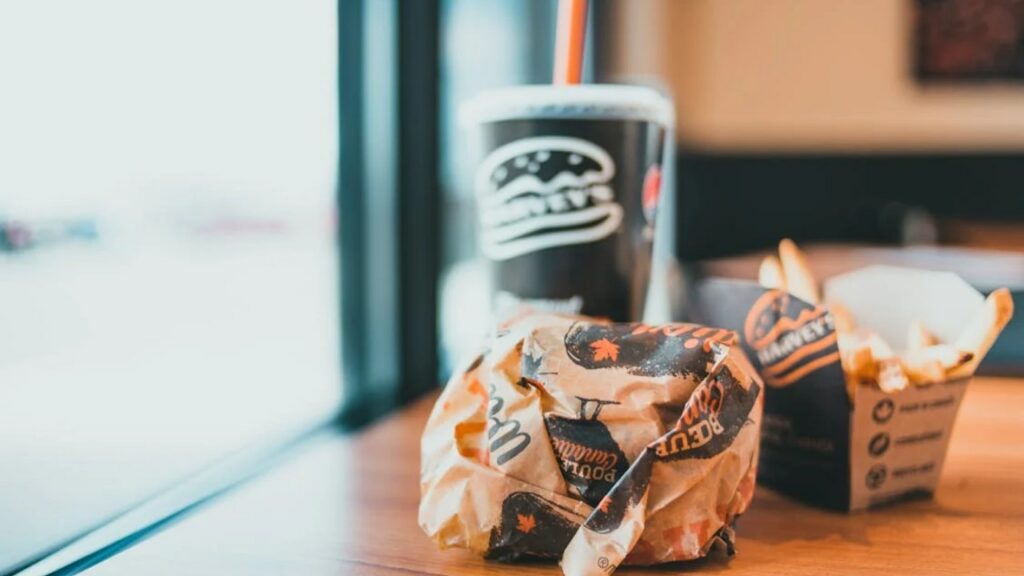
Various types of custom packaging are used for food products. Cardboard boxes are common for items like cereals, snacks, and frozen foods. These boxes can be printed with colorful designs and information, making them both functional and visually appealing. They are easy to stack and store, which benefits both retailers and consumers.
Plastic bags are popular for products like chips, bread, and fresh produce. These bags can have features such as resealable zippers, which help keep food fresh longer. Plastic bags are lightweight and flexible, making them convenient for packaging and transporting food items.
Metal cans and glass jars are used for soups, sauces, and preserved foods. They offer a long shelf life and are very durable. Cans are often used for beverages and foods that need to be kept airtight. Jars are suitable for items like jams, pickles, and sauces, providing a secure seal and a clear view of the product inside.
Flexible pouches are increasingly popular, especially for drinks, sauces, and baby food. They are lightweight and often have spouts or zippers for easy pouring and resealing. Pouches are convenient for on-the-go consumption and can be designed in various shapes and sizes to suit different products.
Materials Used in Custom Packaging
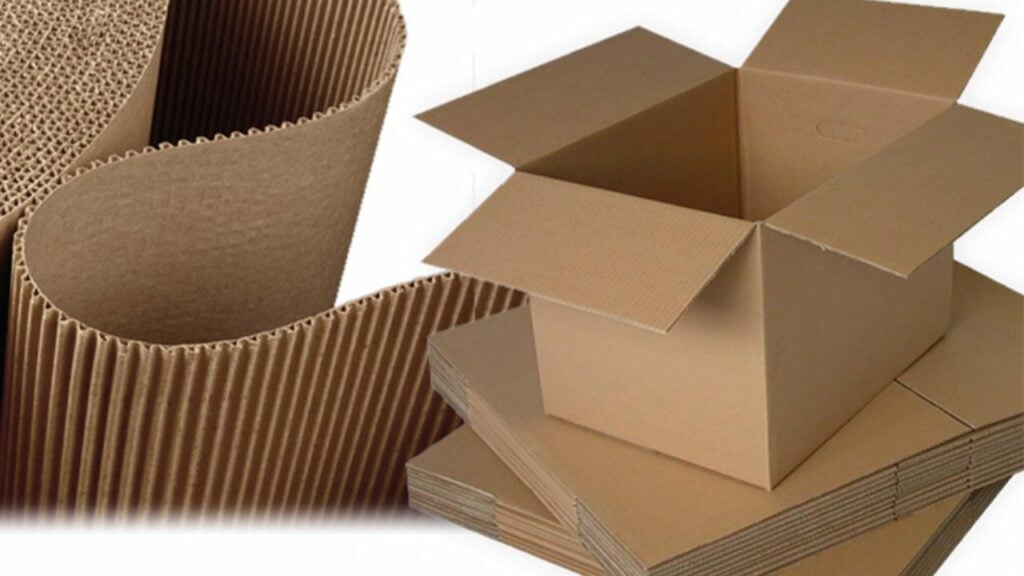
The materials used in food packaging vary depending on the product. Plastic is widely used for bottles, bags, and pouches. It is lightweight and can be molded into various shapes. However, plastic’s environmental impact has led to increased interest in alternatives.
Cardboard and paper are commonly used for boxes and bags. They are biodegradable and recyclable, making them more environmentally friendly. These materials are also versatile and can be printed with high-quality designs.
Glass is used for jars and bottles. It is durable and provides a strong barrier against contamination. Glass is also recyclable, but it is heavier and more fragile than other materials.
Metal, particularly aluminum and tin, is used for cans. It offers excellent protection and a long shelf life. Metal is also recyclable, making it a sustainable option for packaging.
Biodegradable and compostable materials are becoming more popular. These materials break down naturally and have less environmental impact. They are made from renewable resources like cornstarch or sugarcane.
Design Considerations for Food Packaging
Designing food packaging involves several considerations. The packaging must be functional, protecting the product and keeping it fresh. It should be easy to open, reseal, and use. Design features that enhance convenience can improve customer satisfaction.
The visual appeal of the packaging is also important. The design should be attractive and reflect the brand’s identity. Colors, fonts, and images should be carefully chosen to appeal to the target audience and convey the right message.
Regulatory requirements must be considered as well. Packaging must include all necessary information, such as ingredients, nutritional facts, and expiration dates. It must also comply with regulations regarding food safety and labeling.
Sustainability is an increasingly important factor. Consumers are becoming more aware of environmental issues and prefer packaging that is eco-friendly. Using recyclable, biodegradable, or compostable materials can enhance a brand’s image and appeal to environmentally conscious consumers.
Regulatory Requirements
Food packaging must comply with various regulatory requirements. These regulations ensure that packaging is safe and that consumers have the information they need. In the United States, the Food and Drug Administration (FDA) sets standards for food packaging. These standards cover materials, labeling, and safety.
Packaging materials must be safe for food contact. This means they should not contain harmful substances that could leach into the food. The FDA tests and approves materials for use in food packaging.
Labels must include certain information, such as the product name, ingredients, nutritional facts, and expiration date. This information helps consumers make informed choices and ensures transparency.
Packaging must also be designed to prevent contamination. This includes features like tamper-evident seals and proper sealing methods. Packaging should protect the food from physical, chemical, and biological hazards.
Environmental Impact
The environmental impact of food packaging is a major concern. Traditional materials like plastic and metal can take hundreds of years to decompose. This has led to growing interest in sustainable packaging options.
Recycling is one way to reduce the environmental impact. Many packaging materials, such as cardboard, glass, and metal, can be recycled. Recycling helps reduce waste and conserve resources.
Biodegradable and compostable materials are another option. These materials break down naturally and have less impact on the environment. They are made from renewable resources and can help reduce the use of fossil fuels.
Reducing packaging waste is also important. This can be achieved by designing packaging that uses less material or by creating multi-use packaging. Innovations in packaging design can help reduce the environmental footprint.
Frequently Asked Questions
Q: Why is custom packaging important for food products?
A: Custom packaging keeps food safe, enhances branding, provides important information, and improves convenience.
Q: What are common types of food packaging?
A: Common types include cardboard boxes, plastic bags, metal cans, glass jars, and flexible pouches.
Q: What materials are used in food packaging?
A: Materials include plastic, cardboard, paper, glass, metal, and biodegradable options.
Q: What are the key design considerations for food packaging?
A: Key considerations are functionality, visual appeal, regulatory compliance, and sustainability.
Q: What are the regulatory requirements for food packaging?
A: Requirements include safe materials, proper labeling, and contamination prevention.
Q: How can food packaging be more environmentally friendly?
A: Using recyclable, biodegradable, or compostable materials and reducing packaging waste can make packaging more eco-friendly.
Conclusion
Custom packaging plays a vital role in the food industry. It ensures safety, enhances branding, provides essential information, and meets regulatory requirements.
By considering materials, design, and environmental impact, companies can create effective and sustainable packaging solutions for their food products.