

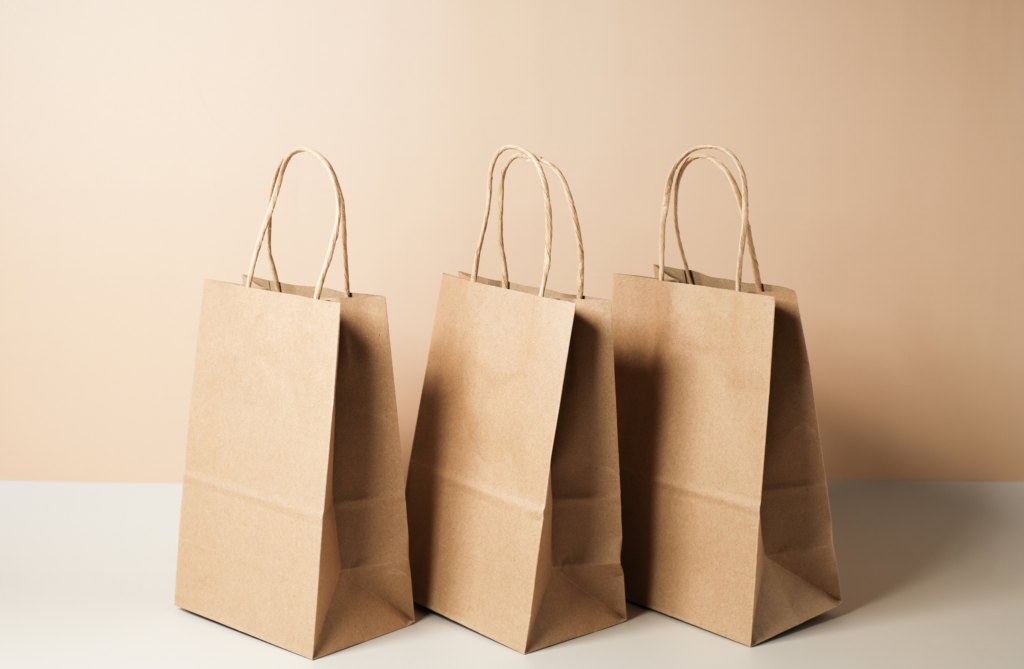
f you sell products online, you’ve probably landed on this page while trying to answer one deceptively simple question: should your shipping mailers be recyclable or compostable? Both sound eco-friendly. Both show up on packaging with a green leaf icon. But they behave very differently once a customer tears open a box and has to figure out what to do with the packaging.
This guide breaks down what recyclable and compostable actually mean, how each one performs in real-world conditions, and which option makes sense depending on what you’re shipping. By the end, you’ll be able to pick a mailer type with confidence instead of guessing based on marketing language.
The Short Answer
For most ecommerce brands, recyclable mailers are the safer, more practical default. They fit into infrastructure that already exists almost everywhere, they don’t require special disposal knowledge from your customer, and they hold up well for the kind of durability shipping demands. Compostable mailers work best in specific situations, such as when a brand’s customer base already composts regularly or when a product itself is perishable and pairs naturally with a compostable format.
That said, “it depends” is the honest answer, and the rest of this article explains exactly what it depends on.
What Does “Recyclable” Actually Mean?
Recyclable means a material can be collected, processed, and turned into raw material for a new product. That sounds straightforward, but recyclability is really a spectrum. A material being technically recyclable doesn’t guarantee it will actually get recycled. Two things determine that:
- Material type. Paper and cardboard are widely accepted almost everywhere. Plastic film, like the material used in poly mailers, is a different story. Standard curbside bins in most cities don’t accept plastic film, even though the material itself is recyclable through store drop-off programs (the same bins used for grocery bags).
- Local infrastructure. Recycling rules vary by city and county. A mailer that’s easy to recycle in one zip code might not be accepted in another.
This is why the packaging industry is moving toward mono-material design. When a mailer is made from a single, easily sorted material rather than a mix of plastics, paper, and adhesives, it has a much better chance of actually being recycled instead of getting rejected at a sorting facility. Our Custom Poly Mailers are built with this in mind, using recyclable film that customers can drop into store take-back bins alongside their plastic bags.
Paper-based options tend to have the smoothest ride through the recycling stream. Paper Mailers go straight into standard curbside paper recycling in nearly every municipality, no special trip required. The same applies to Paper Padded Mailers, which swap out plastic bubble cushioning for a paper-based honeycomb or crinkle fill so the whole mailer stays in one recyclable material family.
What Does “Compostable” Actually Mean?
Compostable materials break down into nutrient-rich soil, but only under the right conditions, and this is where most of the confusion around compostable mailers comes from. There are two very different tiers:
- Industrially compostable: Requires the heat, moisture, and microbial activity of a commercial composting facility. Most compostable poly mailers fall into this category. If it ends up in a landfill instead, it may not break down meaningfully faster than regular plastic.
- Home compostable: Breaks down in a backyard compost bin at ambient temperature. This is a stricter, harder-to-earn certification, and fewer products actually qualify.
The catch is access. According to composting infrastructure data, a large share of the U.S. population still doesn’t have curbside access to industrial composting. So a mailer that’s certified compostable might, in practice, get thrown in the trash by a customer who has no facility nearby, which means it behaves just like regular landfill waste, taking years to break down in an oxygen-poor environment.
This doesn’t mean compostable mailers are a bad choice. It means they work best when you know your audience. Brands selling food, skincare with organic ingredients, garden products, or anything where the buyer already has a compost habit tend to see genuine end-of-life benefits from compostable packaging. If that describes your customer base, our Compostable Mailers are certified to break down in industrial composting facilities without leaving microplastics behind.
Recyclable vs Compostable Mailers: Side-by-Side Comparison
| Factor | Recyclable Mailers | Compostable Mailers |
| Disposal access | Widely available (curbside or store drop-off) | Limited; requires industrial composting access in most cases |
| Best material fit | Paper, cardboard, mono-material poly film | Plant-based bioplastics (PLA, PBAT blends) |
| Durability for shipping | High; holds up well against moisture and tearing | Moderate; can be more sensitive to humidity over long transit times |
| Customer effort | Low; drops into existing bins | Higher; needs the right facility or backyard setup |
| Cost | Generally lower | Typically 15 to 30 percent higher per unit |
| Best suited for | Most ecommerce categories, apparel, general retail | Food, beauty, garden, and perishable goods brands |
Poly Mailers: Recyclable or Compostable?
Poly mailers are where this decision matters most, because plastic film has the biggest gap between “technically recyclable” and “actually gets recycled.” If you’re currently shipping in standard plastic poly bags, switching to a recyclable version is one of the easiest sustainability upgrades you can make without changing your packing process at all. Our Custom Poly Mailers are made from recycled and recyclable film, keep their tear resistance and water protection, and can be labeled clearly so your customers know exactly how to dispose of them.
If your brand wants to move away from petroleum-based plastic entirely, a compostable poly mailer is the alternative. These are made from plant-derived materials that mimic the feel and strength of traditional poly film but are designed to break down instead of persisting for decades. The tradeoff is that they need the right end-of-life environment to actually deliver on that promise, so pairing them with clear on-bag instructions matters even more than it does with a recyclable format.
Paper Mailers and Padded Mailers: The Simpler Option
Paper doesn’t carry the same complexity that plastic film does. It’s compostable in a backyard bin, recyclable through curbside pickup, and biodegrades naturally even if it ends up somewhere it shouldn’t. That dual compatibility is part of why so many brands are shifting toward paper-based packaging as their default.
Paper Mailers work well for lightweight, non-fragile products like apparel, accessories, and printed goods. For items that need a bit more protection during transit, Paper Padded Mailers offer cushioning without introducing plastic bubble wrap into the mix, so the entire mailer stays recyclable as a single unit rather than requiring the customer to separate materials before disposal.
What About Bubble Mailers?
Traditional bubble mailers, the ones with a plastic bubble lining, are one of the harder packaging formats to recycle because they combine multiple material layers that sorting facilities struggle to separate. If protective packaging is non-negotiable for your product, look for Bubble Mailers made with recyclable film construction rather than mixed-material laminates. This keeps the padding your fragile items need while avoiding the material-mixing problem that sends most bubble mailers straight to the landfill.
How to Decide: A Practical Framework
Rather than picking based on which word sounds greener, work through these questions:
1. What does your product actually need? Fragile items need cushioning. Apparel and soft goods often don’t. Match the mailer type to the protection level required before worrying about end-of-life material.
2. Where do your customers live? If your customer base is concentrated in cities with strong composting infrastructure (parts of California, the Pacific Northwest, and a growing number of metro areas), compostable packaging has a real shot at being disposed of correctly. If your customers are spread across the country broadly, recyclable formats have a much higher chance of being handled properly, since recycling access is more universal than composting access.
3. What’s your brand story? A skincare brand built around natural ingredients might align better with compostable packaging, even if it costs a bit more, because it reinforces the product’s positioning. A general retail or apparel brand often benefits more from a recyclable mailer that’s easy for any customer to dispose of correctly, regardless of where they live.
4. What’s your budget per shipment? Compostable materials typically cost more to produce than recycled plastic film or paper. If you’re shipping high volumes on tight margins, recyclable options usually make more financial sense without sacrificing sustainability credibility.
5. Are you communicating disposal instructions? Neither option works well if your customer doesn’t know what to do with it. Print clear, simple disposal instructions directly on the mailer. “Recyclable at store drop-off” or “Compostable in industrial facilities only” removes the guesswork and dramatically increases the odds the packaging ends up where it’s supposed to.
Common Myths Worth Clearing Up
“Compostable always means better for the environment.” Not necessarily. A compostable mailer that ends up in a landfill because no facility exists nearby can behave similarly to regular plastic in terms of breakdown time. Recyclability with strong local infrastructure sometimes outperforms compostability with weak infrastructure.
“If it’s plastic, it can’t be sustainable.” Recycled and recyclable plastic film, like the material used in many Custom Poly Mailers, keeps existing plastic in circulation and reduces demand for virgin material. It’s not the same as choosing plastic that has no recycled content or end-of-life plan.
“Paper is always the greenest choice.” Paper generally has strong end-of-life outcomes, but it also requires more water and energy to produce than some plastic alternatives, and it’s not always as durable for heavier or moisture-sensitive shipments. It’s a strong option, not an automatic win in every category.
Frequently Asked Questions
Can compostable mailers go in a regular recycling bin?
No. Compostable materials are processed differently than recyclables, and mixing them into a recycling stream can actually contaminate the batch. They need to go into a compost stream, ideally an industrial one unless the product is certified home compostable.
Are recyclable poly mailers actually recycled in practice?
Yes, when they’re properly labeled and dropped off at store locations that accept plastic film (most large grocery and retail chains have these bins). Curbside recycling generally won’t accept plastic film, so store drop-off is the correct path.
Which option costs less?
Recyclable mailers, particularly Paper Mailers and recycled poly film, are typically less expensive to produce than certified compostable alternatives, since compostable bioplastics involve more specialized manufacturing.
Can I switch between recyclable and compostable mailers for different products?
Absolutely. Many brands use Custom Compostable Mailers for perishable or food-adjacent products and recyclable options like Custom Bubble Mailers or Custom Paper Padded Mailers for everything else. There’s no rule that says your entire catalog needs to ship in a single mailer type.
Final Thoughts
There’s no universal winner between recyclable and compostable mailers. Recyclable packaging tends to be the more dependable choice for most ecommerce brands because it works with infrastructure that already exists nearly everywhere. Compostable packaging shines in specific niches where the customer base is already composting and the product category supports that story.
What actually moves the needle is picking a mailer that matches your product, your customer’s habits, and your budget, then communicating disposal instructions clearly so the packaging has the best possible shot at a proper end of life. Whether that means Custom Poly Mailers, Paper Mailers, Bubble Mailers, Paper Padded Mailers, or Compostable Mailers, the right choice is the one your customers will actually dispose of correctly.