


Sustainable packaging materials help you protect your products while reducing waste, regulatory risk, and long-term environmental impact. As packaging rules tighten and customer expectations shift, choosing the right materials now affects cost, compliance, and brand trust later.
This guide explains what sustainable packaging materials are, the main types available today, how each one performs in real use, and how to decide which option fits your business.
Why Sustainable Packaging Materials Matter for Businesses
Packaging decisions directly affect how customers view your brand, how regulators assess compliance, and how efficiently your supply chain operates.
Many businesses switch to sustainable packaging solutions to meet new plastic taxes, extended producer responsibility rules, or retailer requirements. Others respond to customer demand for environmentally friendly packaging materials that feel credible, not performative.
When you choose sustainable packaging materials with performance and disposal in mind, you reduce waste, avoid compliance surprises, and maintain product protection without overengineering.
Types of Sustainable Packaging Materials
Not every sustainable packaging option works for every product. Below are the most common material categories, with clear use cases and limitations.
Recycled Paper and Cardboard Packaging
Recycled paper-based packaging remains one of the most widely used sustainable packaging materials. Corrugated boxes, kraft paper, and molded fiber inserts come from post-consumer or post-industrial waste. These materials recycle easily in most regions and support circular supply chains.
They work well for shipping, retail packaging, and protective inserts. However, they perform poorly in high-moisture environments and may require coatings or liners for food or liquid exposure.
Compostable Packaging Materials
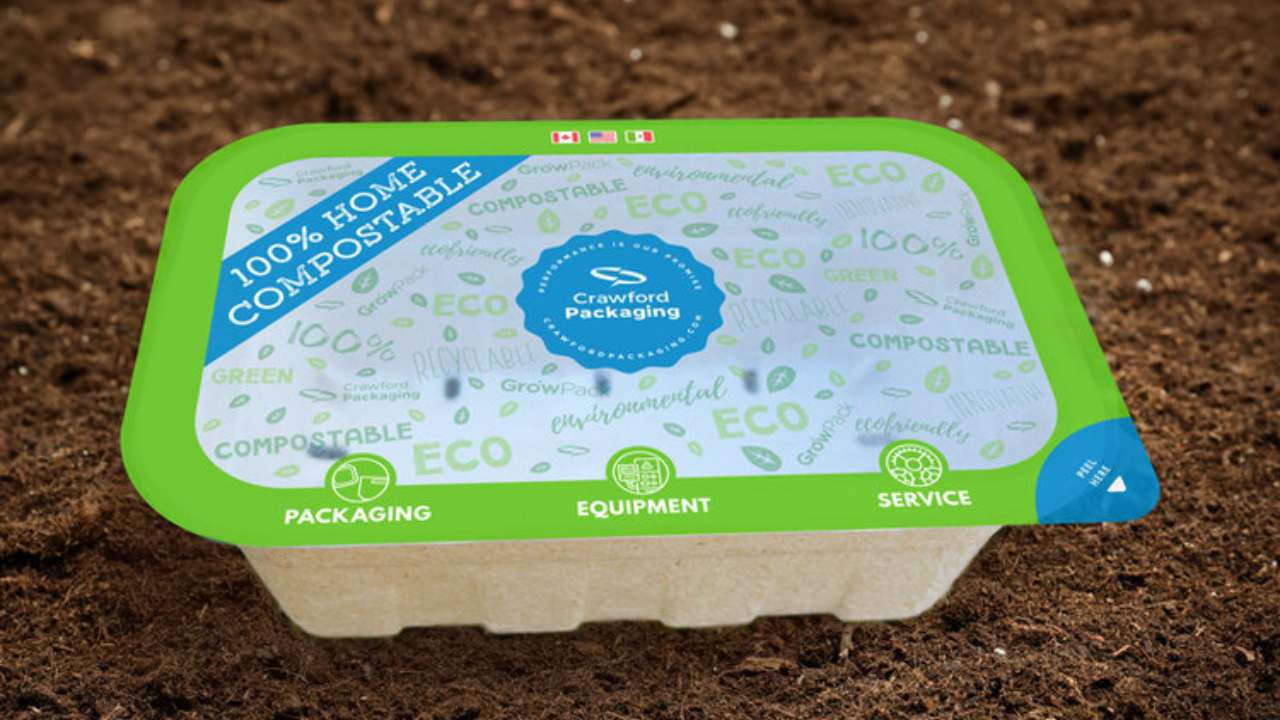
Compostable packaging materials break down into organic matter under composting conditions. Common examples include PLA, PBAT blends, and cellulose films. These materials suit food packaging, mailers, and flexible wraps when composting access exists. They reduce landfill persistence and support organic waste diversion.
Compostable does not mean recyclable. If local composting systems are unavailable, disposal becomes a challenge. Always match compostable packaging to regional infrastructure.
Biodegradable Packaging Materials
Biodegradable packaging materials degrade over time through natural processes, but timelines and conditions vary widely. Some biodegradable materials require heat, light, or microbial activity to break down. Others fragment without fully decomposing. This inconsistency makes the term less reliable for disposal planning.
You should treat biodegradability as a supporting feature, not a primary decision factor, unless certification and disposal guidance are clear.
Plant-Based and Renewable Packaging Materials
Plant based packaging materials come from renewable sources such as sugarcane, bamboo, corn, or agricultural byproducts. Bagasse, made from sugarcane fiber, works well for food containers and trays. Cornstarch-based materials appear in films and void fill. Bamboo often supports rigid packaging and protective structures.
These materials reduce reliance on fossil fuels but still require careful performance testing, especially for moisture and heat resistance.
Reusable and Returnable Packaging Systems
Reusable packaging focuses on durability and multiple use cycles rather than disposal. Common examples include rigid totes, refill containers, and closed-loop shipping systems. These solutions work best for B2B logistics, subscription services, and controlled distribution networks.
While reusable systems reduce waste significantly, they require reverse logistics, cleaning processes, and customer participation to succeed.
Emerging Sustainable Packaging Materials
New sustainable packaging materials continue to enter the market. Mushroom packaging uses mycelium to create protective forms that compost naturally. Seaweed packaging and algae-based films aim to replace flexible plastics with ocean-safe alternatives.
These options show promise but often face scalability, cost, or availability limits. They fit best in pilot programs or premium product lines.
Sustainable Packaging Materials Comparison
Below, we compare major material categories to help you evaluate performance and disposal trade-offs.
| Material Type | Key Benefit | Durability | Moisture Resistance | Disposal Method | Best Use Case |
| Recycled paper & cardboard | Widely recyclable | Medium | Low | Recycling | Shipping boxes, retail packaging |
| Compostable materials | Organic end-of-life | Medium | Medium | Composting | Food packaging, mailers |
| Biodegradable materials | Natural breakdown | Varies | Varies | Landfill or compost | Limited, case-specific |
| Plant-based materials | Renewable sourcing | Medium | Medium | Compost or recycle | Food containers, inserts |
| Reusable systems | Waste reduction | High | High | Reuse | B2B, closed-loop shipping |
| Emerging materials | Innovation | Medium | Medium | Composting | Specialty or pilot use |
How to Choose the Right Sustainable Packaging Material
Choosing sustainable packaging materials starts with understanding failure points. The right material protects the product, survives your supply chain, and fits how customers dispose of packaging in the real world.

Step 1: Identify Your Product Stress Factors
Start by mapping what your packaging must survive.
- Weight and density
Heavier products need rigid materials like corrugated cardboard or molded fiber. Lightweight items can use flexible compostable or plant-based films without collapse. - Fragility
Breakable products require cushioning that holds shape under pressure. Mushroom packaging, molded pulp, or paper-based void fill perform better than thin biodegradable films. - Moisture and grease exposure
Food, cosmetics, and liquids require barrier protection. Cellulose films, coated paper, or plant-based laminates handle moisture better than untreated paper. - Shelf life and storage conditions
Products stored for long periods need packaging that resists humidity, oxygen, and temperature shifts. Not all sustainable materials maintain stability over time.
Step 2: Match Materials to Your Shipping Model
Packaging that works in one supply chain often fails in another.
- E-commerce shipping
Requires durability, stacking strength, and puncture resistance. Recycled corrugated boxes with minimal void fill reduce damage and material use. - Retail and direct-to-shelf packaging
Prioritizes appearance, print quality, and shape consistency. Kraft paper, molded fiber, and plant-based rigid packaging perform well here. - Subscription or repeat delivery
Reusable packaging systems can reduce long-term waste and cost when return logistics are realistic.
Step 3: Evaluate Disposal Reality, Not Ideal Outcomes
Sustainability only works if the package reaches the correct end-of-life path.
- Recyclable packaging performs best when materials are widely accepted by municipal recycling systems.
- Compostable packaging only delivers value when customers have access to composting, either at home or commercially.
- Biodegradable packaging should be used cautiously unless breakdown conditions and timelines are clearly defined.
If disposal depends on perfect behavior from customers, the system will fail.
Step 4: Factor in Compliance and Scalability Early
Material choices affect more than sustainability goals.
- Packaging with recycled content helps reduce plastic tax exposure.
- Clearly labeled materials lower regulatory risk.
- Materials that work across regions reduce redesign costs and inventory complexity.
Sustainable packaging for businesses works best when materials scale with growth instead of forcing constant adjustments.
Step 5: Balance Sustainability With Protection
Sustainability does not mean fragile. Packaging that fails creates waste through damaged products, returns, and reshipping.
The most effective sustainable packaging materials balance environmental benefit with protection, logistics efficiency, and disposal clarity. When those elements align, sustainability becomes a measurable improvement, not a marketing statement.
Common Mistakes Businesses Make With Sustainable Packaging
Many packaging problems start with good intentions but fall apart during execution. Sustainable materials only work when they match how products ship, how customers dispose of packaging, and how regulations apply.
Here are some common mistakes:
- Assuming compostable packaging is always the best option
Compostable materials work well only when customers have access to proper composting systems. Without that access, these materials often end up in landfills, offering little environmental benefit. - Ignoring local recycling and waste infrastructure
A material labeled recyclable may not be accepted in all regions. Using materials that local facilities cannot process increases contamination and landfill rates. - Choosing materials based on claims, not performance
Some eco friendly packaging materials sound appealing but fail under real shipping conditions. Poor durability leads to crushed products, leaks, and higher return rates. - Overlooking regulatory and labeling requirements
Vague or incorrect sustainability claims can create compliance issues. Missing certifications or unclear disposal labels expose brands to fines and reputational risk. - Sacrificing product protection for sustainability messaging
Packaging must protect the product first. Damaged goods generate waste, replacement shipments, and customer frustration, which undermines sustainability goals.
Avoiding these mistakes allows sustainable packaging options to support both environmental goals and operational efficiency without creating hidden costs.
Sustainable Packaging Regulations and Compliance
Sustainable packaging regulations now shape material choices as much as cost or performance. Governments are shifting responsibility for packaging waste away from consumers and toward brands, distributors, and manufacturers. That change directly affects how you design, source, and label packaging.
Extended Producer Responsibility (EPR) programs require businesses to finance or manage the collection, recycling, or disposal of packaging they place on the market. These programs already operate across much of Europe and Canada and are expanding rapidly in the United States at the state level. Under EPR, packaging that is hard to recycle or lacks recycled content often carries higher fees, while recyclable or reusable formats receive incentives.
Plastic taxes add another layer of pressure. Many regions now penalize packaging with low recycled content or materials that cannot be recovered through existing waste systems. In the UK and parts of the EU, packaging must meet minimum recycled content thresholds to avoid additional taxation. Similar rules are emerging in North America, especially for single-use plastics.
Labeling requirements also continue to tighten. Clear disposal instructions are no longer optional. Many markets now require standardized recycling labels, compostability certifications, or material identification markings. Incorrect or misleading claims can trigger fines or product recalls, even when the packaging material itself is technically sustainable.
To stay compliant, businesses need to select sustainable packaging materials that align with local infrastructure and evolving regulations. Materials that perform well across multiple regions reduce the need for frequent redesigns, reprints, or packaging swaps. Planning for compliance early helps control long-term costs, limits operational disruption, and protects your brand from regulatory risk.
How Plus Packaging Supports Sustainable Packaging Goals
Plus Packaging helps you evaluate sustainable packaging materials based on performance, compliance, and scalability. Instead of pushing one material type, the focus stays on fit.
By aligning packaging design with your product needs and disposal realities, you reduce waste, avoid overengineering, and support long-term sustainability targets without sacrificing efficiency.
Final Thoughts on Sustainable Packaging Materials
Sustainable packaging materials are not one-size-fits-all. The best option balances protection, disposal, regulation, and customer expectations.
When you approach material selection with clarity and realism, sustainable packaging becomes a practical business decision rather than a marketing checkbox. Pairing these choices with thoughtfully designed solutions like custom retail bags or custom poly mailing bags can further enhance your brand’s sustainability efforts while providing a high-quality experience for your customers.