

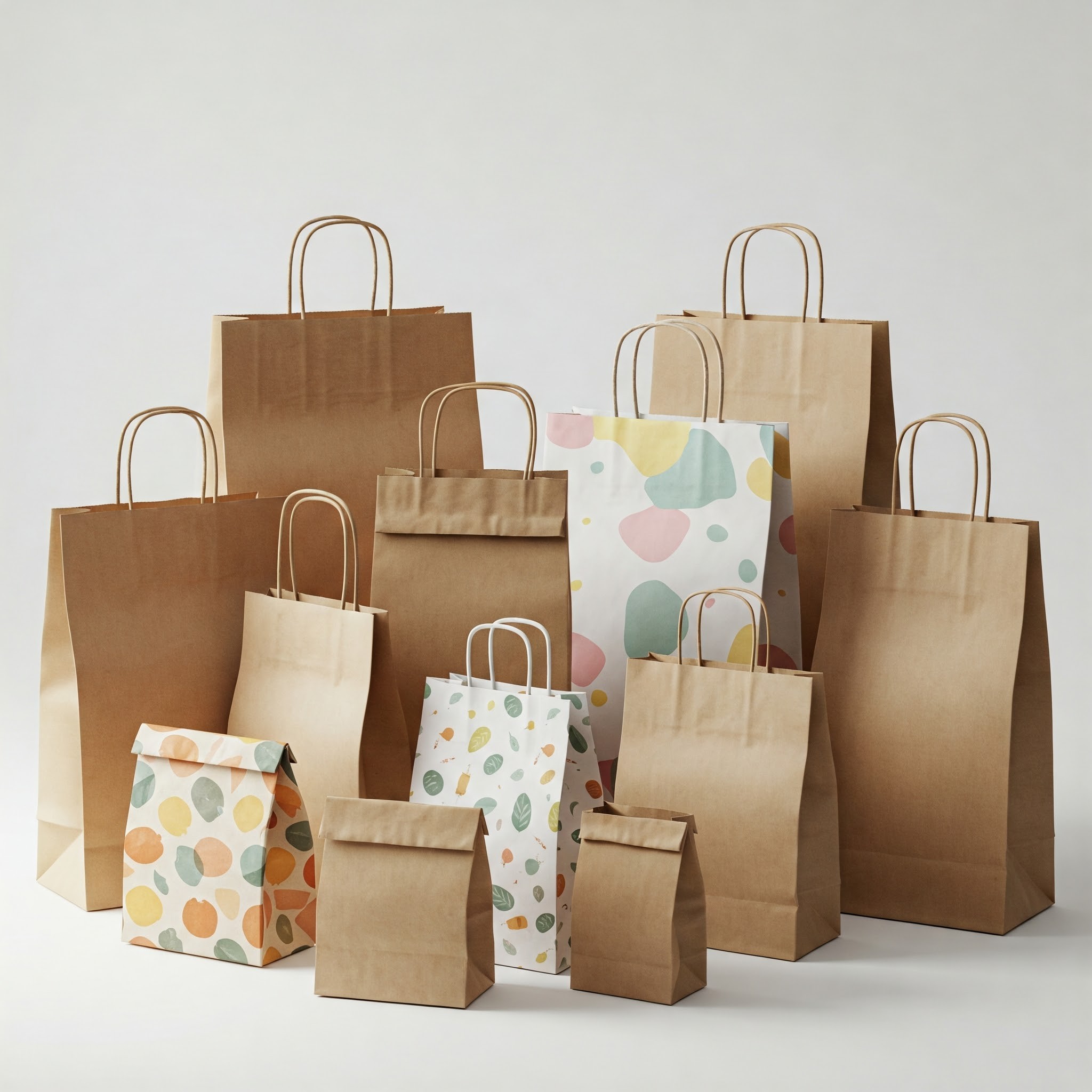
If you’ve ever stood in a packaging supplier’s catalog scrolling through dozens of paper bag options, you know the problem. Every size looks similar on screen, and the difference between “medium” and “large” can mean the gap between a bag that fits your product perfectly and one that leaves it rattling around loose. Paper bags show up everywhere: grocery checkouts, bakery counters, boutique registers, gift shops. But not all paper bags do the same job, and picking the wrong one costs you money in wasted material or, worse, a package that looks cheap the moment a customer opens it.
Below is a rundown of the main paper bag sizes and shapes, what each one is built for, and how to think about picking between them.
Small Paper Bags
Small paper bags are the workhorses of retail counters. Think jewelry stores, cosmetics counters, bakeries boxing up a couple of cookies, or a shop handing over a single small electronic accessory. They’re built for light items that don’t need much structural support.
Typical dimensions: around 5 x 8 inches Best for: small, lightweight purchases Why people use them: they’re cheap to stock, easy to store flat, and take up almost no shelf space in a stockroom
Most small bags come from recycled kraft paper, so they double as an easy sustainability win. Some have handles, others are simple fold-over-top bags without any hardware at all. If your product line runs small (think skincare samples, jewelry, candles), a small bag is usually the right call before you spend more on anything larger.
Medium Paper Bags
Medium bags sit in that sweet spot between “too small to be useful” and “too big to feel intentional.” They’re the size most shops default to when they’re not sure what else to order.
Typical dimensions: roughly 10 x 13 inches Best for: moderate-sized retail purchases, multi-item orders, small gift sets Why people use them: sturdy enough to hold weight, spacious enough for a handful of items, and versatile across almost any retail category
If your business ships or hands out anything that doesn’t fit cleanly into a small bag but also isn’t bulky, medium is your default. It’s also the size most commonly requested for branded retail bags because it photographs well and holds up during transport.
Gusseted Paper Bags
Gusseted bags have that expandable side fold you see on grocery sacks. The gusset lets the bag hold its shape even when it’s packed with items of different sizes, which is why grocery stores and general retail lean on this format so heavily.
Typical dimensions: around 10 x 5 x 13 inches Best for: grocery items, mixed-size purchases, anything with an irregular shape Why people use them: the flat bottom and side gussets mean the bag stands upright on its own, and it distributes weight better than a flat bag
If your customers are walking out with a mix of products rather than one clean item, gusseted is worth the extra paper.
Window Paper Bags
Window bags have a clear panel, usually cellophane or a compostable film, that lets shoppers see what’s inside before they open the bag. Bakeries and food shops rely on these constantly, since a visible pastry or loaf of bread does more selling than any label.
Typical dimensions: similar to gusseted bags, roughly 10 x 5 x 13 inches Best for: bakery items, food products, anything where visual appeal drives the sale Why people use them: the window doubles as marketing, and customers get the reassurance of seeing the product without breaking the seal
Keep in mind window bags aren’t the right fit for anything that needs to stay fully protected from light or air. For that, you’re better off looking at a sealed format like custom compostable mailers instead.
Handle Paper Bags
Handle bags come in a wide range of sizes, but what defines them is the hardware: twisted paper handles, flat handles, or ribbon. These are the bags people associate with a “real” shopping experience, the kind you get from a clothing store or a gift shop.
Best for: retail purchases customers will carry any distance, gift packaging, boutique checkouts Why people use them: handles turn a bag into something a customer wants to be seen carrying, which makes them useful for brand visibility outside the store
If branding and in-person presentation matter to your business, a handle bag is usually worth the added cost over a plain fold-top.
Flat Paper Bags
Flat, or flat-bottom, bags skip the gusset and keep a simple rectangular profile. They stack cleanly, store flat, and are a favorite for bakery goods, magazines, and small grocery items that don’t need extra depth.
Best for: bakery goods, magazines, small flat items Why people use them: easy to store in bulk, cheap to produce, and simple to print on
Laminated and Recycled Paper Bags
These two aren’t really a size category, they’re a finish and material choice, but they matter enough to mention. Laminated bags get a glossy or matte coating that adds shine and a bit of extra durability, which is why you’ll see them used for luxury retail and gift packaging. Recycled paper bags skip the coating and lean into the sustainability angle, which resonates with a growing share of shoppers who actively choose brands based on packaging waste.
Neither changes the sizing logic above. You’d pick a laminated or recycled finish on top of whatever size and shape already fits your product.
How to Pick the Right Size
A few questions to run through before you place an order:
- What’s the smallest bag your bulkiest product fits into? Order for your largest item, not your average one.
- Does the product need to stand upright, or will it lie flat? Gusseted and window bags favor upright items; flat bags favor, well, flat ones.
- Are customers carrying it any distance? If yes, budget for handles.
- Does the bag need to protect against moisture or tearing? Paper is breathable but not waterproof, so if your product needs a sealed barrier, a paper bag might not be the right packaging family at all.
When a Paper Bag Isn’t the Right Format
Paper bags are great for retail counters, bakeries, and gift packaging, but they’re not always the right choice for shipping. If you’re mailing products rather than handing them over the counter, a mailer format usually protects better and costs less per shipment.
- For flat, lightweight goods like documents or apparel, paper mailers give you a paper-based option built for the mail stream rather than a retail counter.
- If your products need cushioning, bubble mailers add impact protection that a paper bag can’t match.
- Brands trying to cut plastic out of their shipping entirely often move to compostable mailers, which break down the way a paper bag does but hold up better in transit.
- For fragile items that still need a soft, sustainable cushion, paper padded mailers combine the padding of a bubble mailer with a paper-first build.
- And if durability and water resistance matter more than the paper look, custom poly mailers remain the standard for ecommerce shipping, especially for apparel and soft goods.
The Bottom Line
Paper packaging bags aren’t a one-size-fits-all product, and treating them that way is how businesses end up overpaying for bags that are the wrong shape for what they’re selling. Match the bag to the product first: small for light retail items, medium for everyday purchases, gusseted for anything bulky or mixed, window bags when you want the product to sell itself, and handle bags when presentation matters. If what you’re actually doing is shipping rather than handing products across a counter, it’s worth comparing paper bags against mailer formats like paper mailers, bubble mailers, compostable mailers, paper padded mailers, and poly mailers before you commit to a size.
Get the shape right and the size question usually answers itself.