

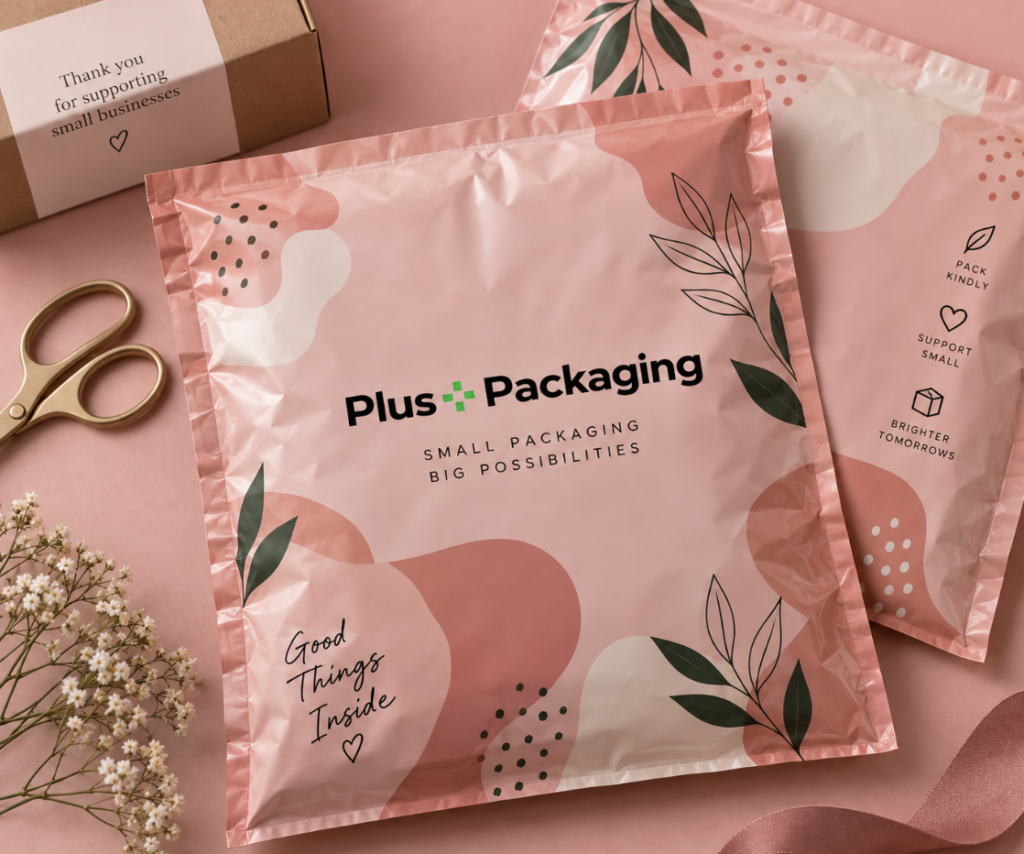
Etsy sellers deal with a packaging problem most retailers don’t: there’s no single product category to design around. One shop might ship jewelry, another ships prints, another ships candles, and another ships a mix of everything in the same week. That variety makes “just pick a mailer” harder than it sounds, because the right choice depends on what’s inside, how fragile it is, and how much of your brand you want the packaging itself to carry.
This guide covers the main mailer types Etsy sellers rely on, what each one is actually good for, and how to think about cost, branding, and protection together instead of picking one and hoping for the best.
What Etsy Buyers Actually Notice About Packaging
Unboxing matters more on Etsy than on most marketplaces. Buyers are often paying a premium for something handmade or personalized, and the packaging is part of what makes that purchase feel worth it. A crushed envelope or a torn poly bag undercuts that experience fast, even if the product inside is perfect.
At the same time, Etsy sellers are usually working with tighter margins than big retailers, so packaging also has to be cost-efficient. That’s the real balancing act: protect the product, look intentional, and keep shipping costs from eating the profit.
Paper Mailers
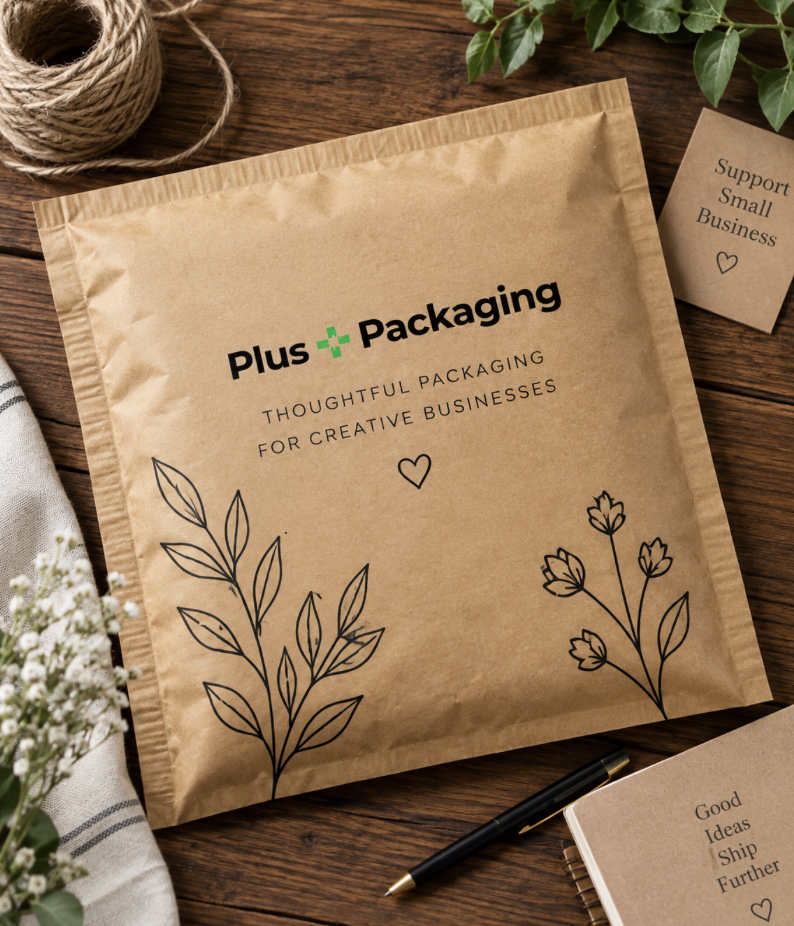
Paper Mailers are a favorite among Etsy sellers shipping lightweight, flat, or semi-rigid items like prints, stationery, patches, or flat-packed accessories. They’re inexpensive, easy to brand with a printed design, and give off a clean, considered look straight out of the mailbox.
The catch is that paper mailers don’t offer much cushioning on their own. If you’re shipping anything with corners that can bend or a surface that can scratch, pair the mailer with a rigid insert or backing board. A lot of successful print and art shops on Etsy use exactly this combination: printed paper mailer on the outside, chipboard support on the inside.
Bubble Mailers
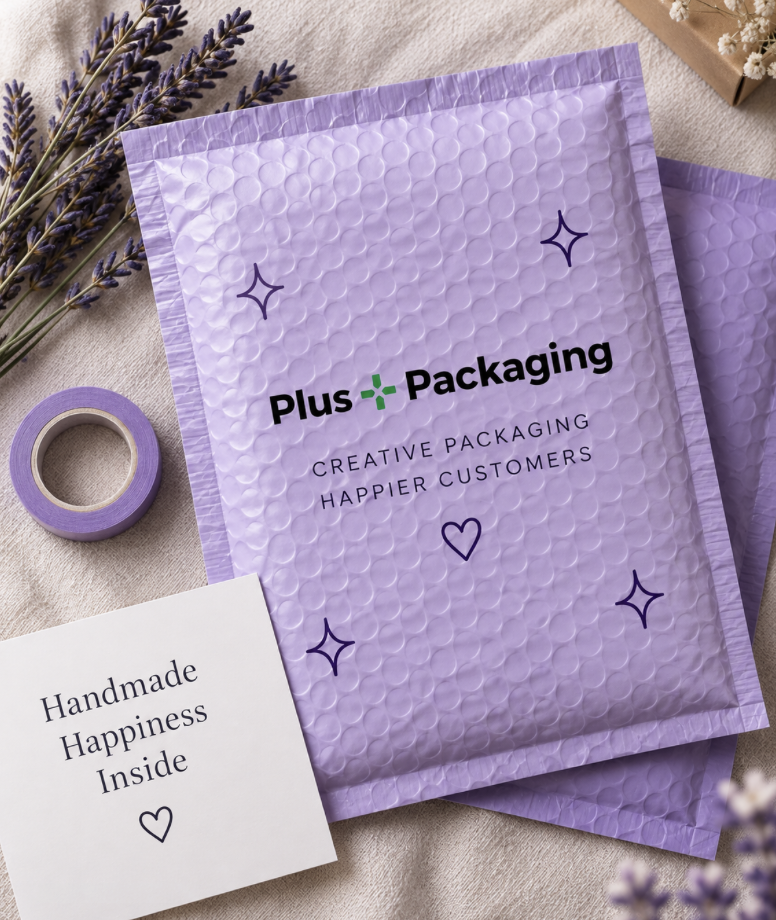
Bubble Mailers are the go-to for anything with a bit of weight or fragility, which covers a large share of what Etsy sellers ship. Jewelry, small ceramics, glass ornaments, candles in tins, and bundled multi-item orders all benefit from the extra cushioning a bubble lining provides.
For shops selling handmade items that vary in shape and thickness, bubble mailers are also more forgiving than a rigid box, since they flex around the product instead of requiring exact-fit sizing. That flexibility is useful for sellers who don’t want to stock a dozen box sizes for a dozen product variations.
Custom Poly Mailers
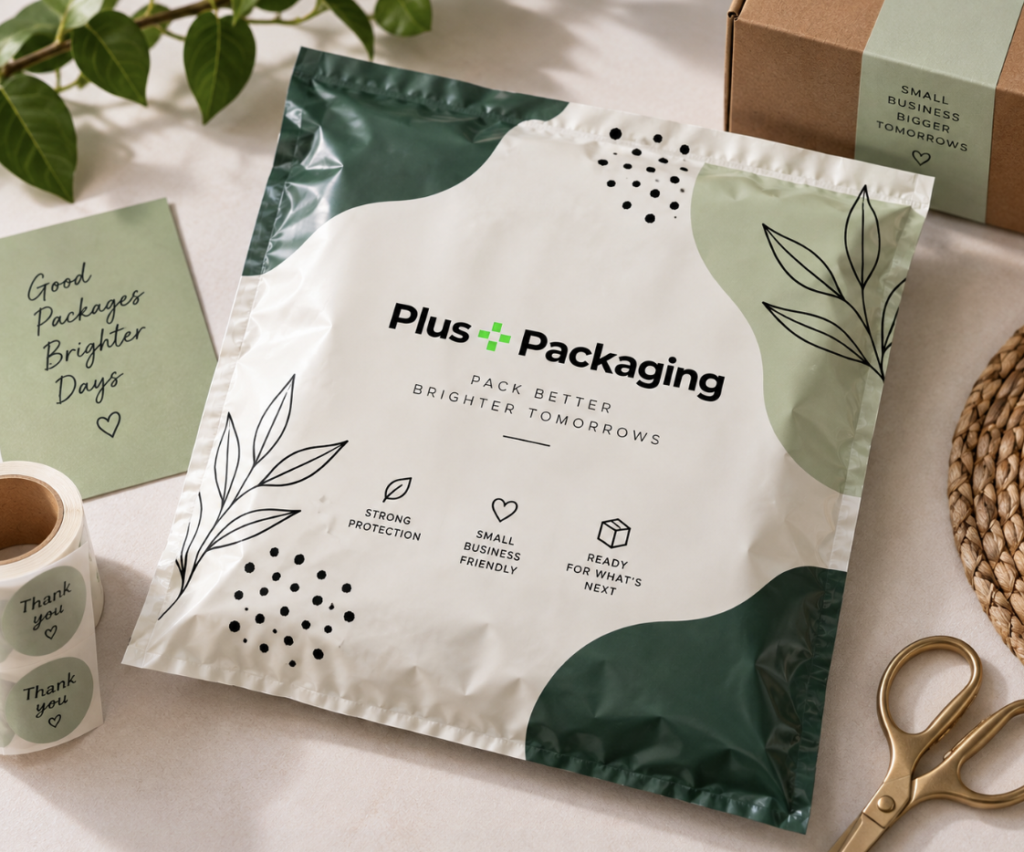
Custom Poly Mailers are one of the most widely used options across Etsy shops, and for good reason. They’re waterproof, tear-resistant, and lightweight, which keeps shipping costs down while still protecting against rain, humidity, and rough handling in transit. For apparel, soft goods, fabric items, and anything that isn’t fragile in shape, poly mailers are often the most practical choice available.
They’re also a strong branding tool. A custom poly mailer printed with your shop’s logo and colors turns the shipping bag itself into part of the customer experience, which matters on a platform where repeat buyers and word-of-mouth referrals drive a lot of sales. Many sellers use poly mailers as their default option for anything that doesn’t need rigid protection, then switch to bubble mailers or boxes for items that do.
Paper Padded Mailers
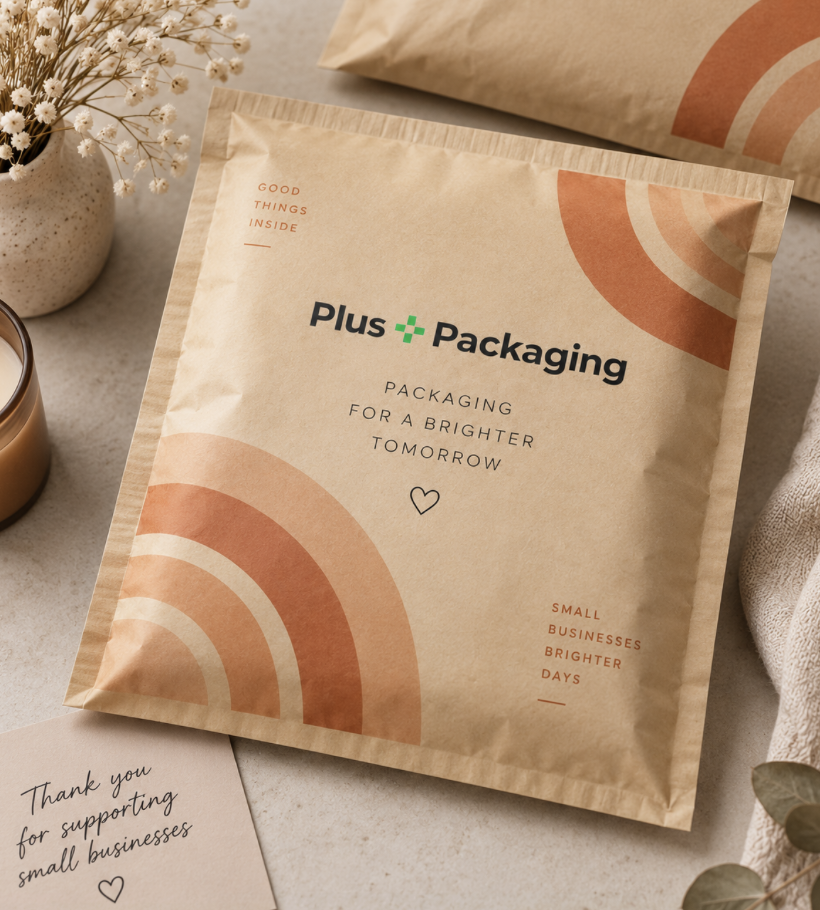
For sellers who want more cushioning than a standard paper mailer but prefer to stay away from plastic bubble lining, Paper Padded Mailers offer a middle ground. They use a padded paper interior instead of bubble wrap, which gives some shock absorption while keeping the packaging easier to recycle.
This option tends to appeal to Etsy sellers whose brand identity leans eco-conscious but who still ship items that need a bit more protection than a flat paper mailer can offer, like small home goods, wrapped soaps, or delicate paper crafts.
Compostable Mailers
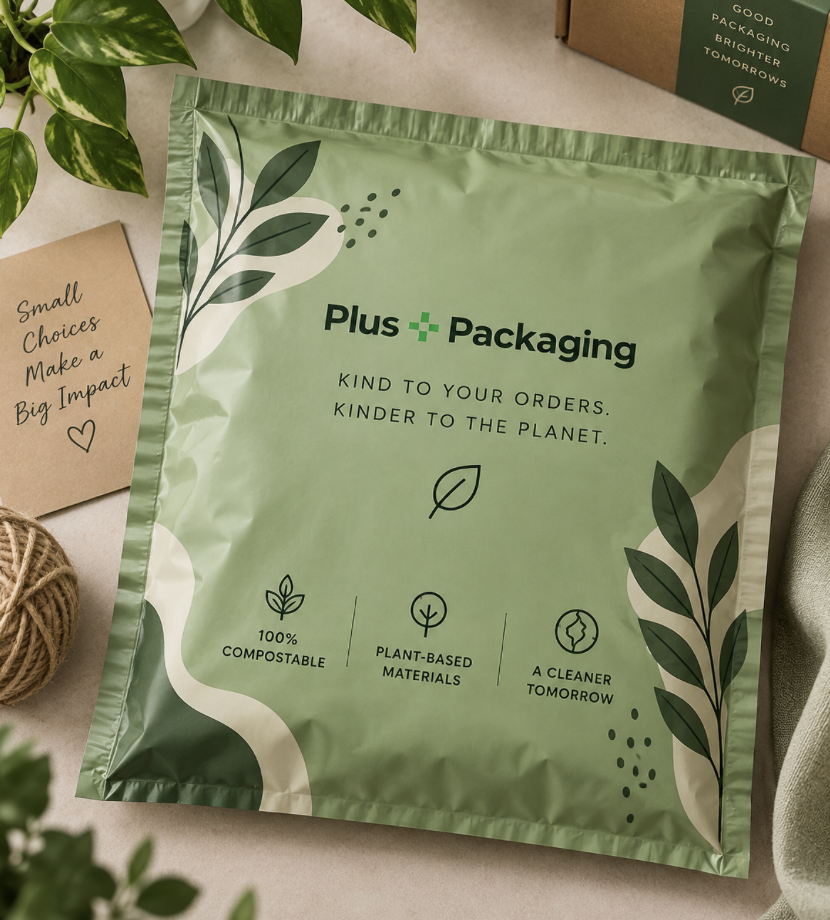
Sustainability is a real selling point on Etsy, where buyers often care about where and how a product was made. Compostable Mailers let sellers extend that values-driven story all the way through to the shipping experience. They break down naturally after use, which appeals to buyers who are already choosing handmade over mass-produced for environmental reasons.
They work best for lighter, less fragile items, similar to standard poly mailers, so they’re a natural fit for soft goods, flat items, or anything that doesn’t need heavy cushioning.
Matching the Mailer to What You Sell
Since most Etsy shops don’t sell just one type of product, it helps to think in categories rather than picking a single mailer for the whole shop:
- Prints, stationery, flat accessories: Paper mailers with a rigid insert
- Jewelry, ceramics, glass, candles: Bubble mailers for cushioning against impact
- Apparel, soft goods, general orders: Custom poly mailers for durability and weather resistance at a low cost
- Eco-branded shops needing light cushioning: Paper padded mailers
- Eco-branded shops shipping lightweight items: Compostable mailers
Many sellers end up using two or three of these across their catalog rather than forcing every product into the same mailer.
Branding Without Blowing the Budget
Etsy buyers respond well to branded packaging, but custom printing doesn’t have to mean a big upfront cost. A few ways sellers keep branding affordable:
- Start with a printed mailer in one main product category (like poly mailers for apparel) before expanding to custom print across every mailer type.
- Use a simple one-color logo print rather than a full-color design to lower per-unit printing costs.
- Add a branded insert card inside a plain mailer if custom printing on the mailer itself isn’t in the budget yet.
- Order mailers in bulk once you’ve settled on a size and style, since per-unit costs usually drop significantly at higher quantities.
Final Thoughts
There’s no universal best mailer for Etsy sellers, because there’s no universal Etsy product. Flat, low-risk items do well in paper mailers, fragile or bundled items need the cushioning of bubble mailers, and general soft goods or apparel usually ship most efficiently in custom poly mailers. Sellers building an eco-conscious brand have solid options too, with paper padded mailers and compostable mailers both covering lighter items without relying on plastic.
The sellers who get the most out of their packaging are usually the ones who match the mailer to the product first, then layer branding on top, rather than picking one mailer type and trying to make everything fit inside it.