

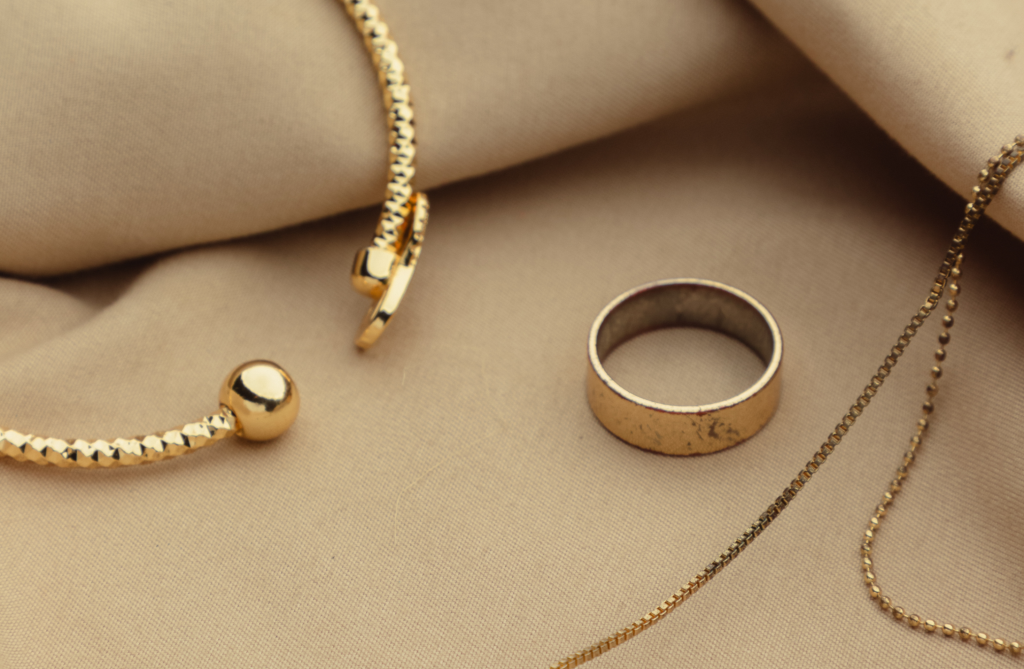
Jewelry is one of the strangest categories to package well, and it has nothing to do with weight or size. A ring or a pair of earrings barely registers on a scale, yet the packaging decision around it carries more risk than almost anything else a small business ships. The item is small enough to disappear inside oversized packaging, valuable enough to attract attention if the outside of the box gives it away, and delicate enough that a chain can tangle, a stone can chip, or a silver piece can tarnish before it even reaches the customer.
That combination is why “just use a bubble mailer” isn’t really an answer. The right mailer depends on the piece, the price point, and how much you’re willing to risk on a single shipment. This guide walks through the mailer types that hold up for jewelry, how to layer packaging inside the mailer itself, and the security habits that matter just as much as the material you pack it in.
What Jewelry Actually Needs From a Mailer
Before comparing mailer types, it helps to separate the three different problems jewelry packaging has to solve, because they don’t all point to the same solution.
- Physical damage. Chains tangle, prongs bend, and gemstones chip if a piece shifts around loose inside a mailer. The fix is immobilizing the item, not just cushioning the outside of the package.
- Tarnish and surface damage. Silver and some plated pieces react to air and moisture over time. A mailer that traps humidity, or packaging that skips a protective inner layer, can leave a piece looking dull before it’s even worn.
- Theft. Jewelry has a high value-to-size ratio, which makes it a target at every step between your workbench and the customer’s door. This is a packaging decision as much as a shipping one. A padded mailer stamped with your jewelry brand’s logo is a flag to anyone handling it.
Most guides only address the first problem. A complete jewelry packaging strategy needs to account for all three.
Mailer Types for Jewelry, Compared
Poly Mailers: Good for Light, Boxed, or Bagged Pieces
Custom Poly Mailers work well as the outer layer for jewelry that’s already protected inside a small gift box or rigid case. The polyethylene shell is fully waterproof, so rain or humidity in transit won’t reach the piece, and it’s the lightest, cheapest option per unit if you’re shipping in volume.
The catch is that a poly mailer alone provides no cushioning and no rigidity. If you drop a loose earring or a delicate chain straight into a poly mailer with nothing around it, the piece can shift, tangle, or get crushed under other mail. Use poly mailers as an outer shell over a padded inner box, not as the only layer of protection for anything without its own rigid packaging.
Bubble Mailers: The Standard Choice for Most Jewelry Orders
Bubble Mailers are the most common mailer for jewelry, and for good reason. The bubble lining absorbs shock, which matters when a package goes through sorting machines and gets tossed with heavier parcels, and the poly exterior keeps moisture out at the same time.
Bubble mailers are a strong fit for:
- Small pieces already boxed or bagged, such as rings, studs, and pendants
- Multi-piece orders where a few items are shipping together
- Everyday jewelry where the packaging also needs to survive rough handling without adding much weight
For higher-value pieces, look for a bubble mailer with a strong self-seal strip rather than a basic adhesive flap. A weak seal is one of the easiest ways for a mailer to pop open in transit, and for jewelry specifically, that’s both a damage risk and a security risk.
Paper Mailers: A Discreet, Lower-Cost Option for Lighter Pieces
Paper Mailers are worth considering for jewelry brands that want their outer packaging to look plain and unremarkable, which happens to line up well with theft-deterrent best practices. A kraft exterior doesn’t scream “gift” or “valuable item” the way a glossy branded poly mailer can.
The trade-off is moisture resistance. Paper mailers don’t handle rain the way a poly-backed mailer does, so they’re a better fit for lighter, less fragile jewelry, drier shipping regions, or as an outer layer around an inner pouch that already protects the piece from humidity.
Paper Padded Mailers: Cushioning Without a Plastic Bubble Lining
Paper Padded Mailers use crumpled or recycled paper fiber instead of an air-bubble layer, which gives you cushioning in a fully paper-based package. For jewelry brands building a sustainability story into their unboxing experience, this is often a better match than a plastic bubble mailer while still protecting the piece better than a flat envelope.
Paper padded mailers work well for boxed jewelry, gift sets, and multi-piece orders where some cushioning matters but the brand wants to avoid plastic packaging altogether. As with plain paper mailers, moisture resistance is the weak point, so pair them with an inner layer that protects against humidity if you’re shipping through wetter climates.
Compostable Mailers: For Eco-Conscious Jewelry Brands
Compostable Mailers break down under industrial composting conditions, which resonates with jewelry buyers who care about the footprint of their purchase, not just the piece itself. Because compostable film has less structural rigidity than poly or bubble-lined material, they work best for lighter jewelry that’s already boxed or pouched, rather than as the only layer protecting a loose piece.
If sustainability is core to your brand, a compostable mailer as the outer shell, wrapped around a small branded box or a padded pouch, gives you the eco story without sacrificing protection for the piece inside.
Quick Comparison
| Mailer Type | Best For | Cushioning | Water Resistance | Discretion |
| Poly Mailers | Boxed or bagged pieces, outer shell | Low | High | Moderate |
| Bubble Mailers | Most jewelry orders, multi-piece shipments | High | Moderate to high | Moderate |
| Paper Mailers | Light pieces, discreet outer packaging | Low to moderate | Low | High |
| Paper Padded Mailers | Boxed jewelry, plastic-free branding | Moderate | Low to moderate | High |
| Compostable Mailers | Eco-focused jewelry brands, lighter pieces | Low to moderate | Moderate | Moderate |
What Goes Inside the Mailer Matters as Much as the Mailer Itself
A mailer is only the outer layer. Jewelry needs an inner packaging system that keeps each piece immobilized, separated, and protected from tarnish, and this is where most of the actual damage prevention happens.
- Wrap each piece individually. Acid-free tissue paper is the standard choice because it won’t react with metal the way some regular paper can, and it adds a soft first layer against scratches. Custom Tissue Paper also does double duty as part of the unboxing presentation.
- Use anti-tarnish strips or bags for silver. Silver reacts to air over time, so an anti-tarnish layer inside the packaging, especially for pieces that might sit in transit or in a warehouse for a while, keeps the piece looking new when it arrives.
- Keep pieces from touching each other. Cell dividers, small compartments, or individual pouches stop chains from tangling and stones from rubbing against other metal. A small gift box with a foam insert or slotted card works well for rings and earrings.
- Give rigid items their own compartment. A boxed necklace or a watch should sit in its own rigid inner box, not loose in a bubble mailer, so it doesn’t shift into softer pieces during transit.
- Seal the inner box before it goes into the mailer. A straight tuck end box or small rigid box gives the piece a stable shape to travel in, which matters more for jewelry than for almost any other product category since there’s no forgiveness for a bent setting or a cracked stone.
Sizing and Fit
Oversizing is one of the most common jewelry packaging mistakes, and it works against you in two ways. First, extra room inside the mailer lets the inner box or pouch move around, which increases the odds of impact damage. Second, an unusually large or heavy package for such a small item can actually draw more attention than a package sized appropriately to what’s inside.
A few practical guidelines:
- Size the mailer to the inner box or pouch with minimal slack, not to the jewelry piece itself.
- For single pieces like a ring or a pair of studs, a small mailer in the 4×8 inch range is usually enough once the piece is boxed.
- For necklaces, bracelets, or multi-piece sets, size up just enough to lay the piece flat without folding or compressing the box.
- Don’t compensate for a loose fit with excess void fill. A properly sized inner box with a snug mailer around it does the job with less material and less cost per shipment.
Security and Discretion: The Part Most Guides Skip
Damage prevention gets most of the attention in jewelry packaging advice, but theft prevention deserves equal weight, because jewelry is one of the most frequently targeted categories in transit. A few practices that cost nothing extra but meaningfully reduce risk:
- Skip obvious branding on the outer mailer. A padded mailer printed with a recognizable jewelry brand name is a signal to anyone handling the package. Save the branded unboxing moment for the inner box, where only the recipient sees it.
- Avoid words like “jewelry,” “gold,” or “silver” anywhere on the outside of the package or the shipping label.
- Don’t undersize or overweight the package to compensate. A package that’s suspiciously small and light, or oddly padded for its size, can draw the same attention that visible branding does. Match the mailer size to what’s realistically inside.
- Use tamper-evident tape on the outer seal, especially for higher-value pieces, so any interference in transit is visible immediately.
- Consider a two-layer approach for higher-value items. An inner box or pouch inside an outer mailer, sometimes called double-boxing, adds a second obstacle for anyone attempting to open the package quickly, and it protects the contents if the outer layer is damaged.
- Require a signature for anything above your comfort threshold. Most carriers include a modest amount of default insurance on standard services, but that ceiling is usually well below what a fine piece is worth, so add signature confirmation and additional coverage for higher-value orders.
What to Ask Before Ordering in Bulk
If you’re moving from occasional shipments to a steady flow of jewelry orders, a few questions are worth settling with your packaging supplier before committing to a large run:
- Do you offer mailer sizes built for small items, or will jewelry-specific dimensions need a custom order?
- What’s the minimum order quantity, and is there a lower-cost stock option for testing a new size or material before scaling up?
- Can I get a physical sample to check how the mailer performs with a boxed piece before committing to bulk?
- What’s the adhesive strength on the self-seal closure, and is it rated to stay sealed through standard carrier handling?
- Do you carry complementary packaging, such as Custom Kits, Hang Tags, or Printed Tape, so the whole unboxing experience comes from one supplier?
- What’s the production and shipping lead time, particularly ahead of gifting seasons when jewelry orders spike?
Frequently Asked Questions
What’s the best mailer for shipping a single ring or pair of earrings? A small boxed piece does well in a bubble mailer sized close to the inner box, with acid-free tissue and a slotted insert to keep the piece from shifting. Skip visible branding on the outer mailer if theft deterrence matters to your business.
Can I ship jewelry in a plain poly mailer without a box inside? Not recommended for anything with stones, prongs, or chains that can tangle. A poly mailer works as an outer shell, but the piece still needs its own rigid inner box or padded pouch to avoid damage.
Do bubble mailers protect against tarnish? No. Bubble mailers protect against impact and moisture from outside the package, but tarnish prevention comes from what’s directly against the metal, such as acid-free tissue or an anti-tarnish bag placed around the piece before it goes into any mailer.
Is it better to use branded or unbranded packaging for jewelry shipments? Branding is valuable for the unboxing experience, but it’s safer on the inner box than on the outer mailer. A plain, unbranded outer layer is one of the simplest ways to reduce the chance of theft in transit.
How do I ship jewelry sustainably without giving up protection? Compostable mailers or paper padded mailers as the outer layer, combined with a rigid inner box and acid-free tissue, cover both the environmental angle and the physical protection the piece needs.
Final Thoughts
Jewelry packaging works best as a system, not a single mailer choice. The outer layer, whether that’s a poly mailer, a bubble mailer, a paper mailer, a paper padded mailer, or a compostable mailer, handles moisture, impact, and how much attention the package draws. The inner layer, tissue, dividers, and a rigid box, handles tangling, tarnish, and the fine details that keep a piece looking new when it arrives.
Match the mailer to the piece, keep the outside plain, and don’t skip the anti-tarnish and cushioning steps that happen before the item ever touches the mailer. That combination is what actually separates a jewelry order that arrives exactly as it left the workbench from one that comes back as a damage claim or a return.