

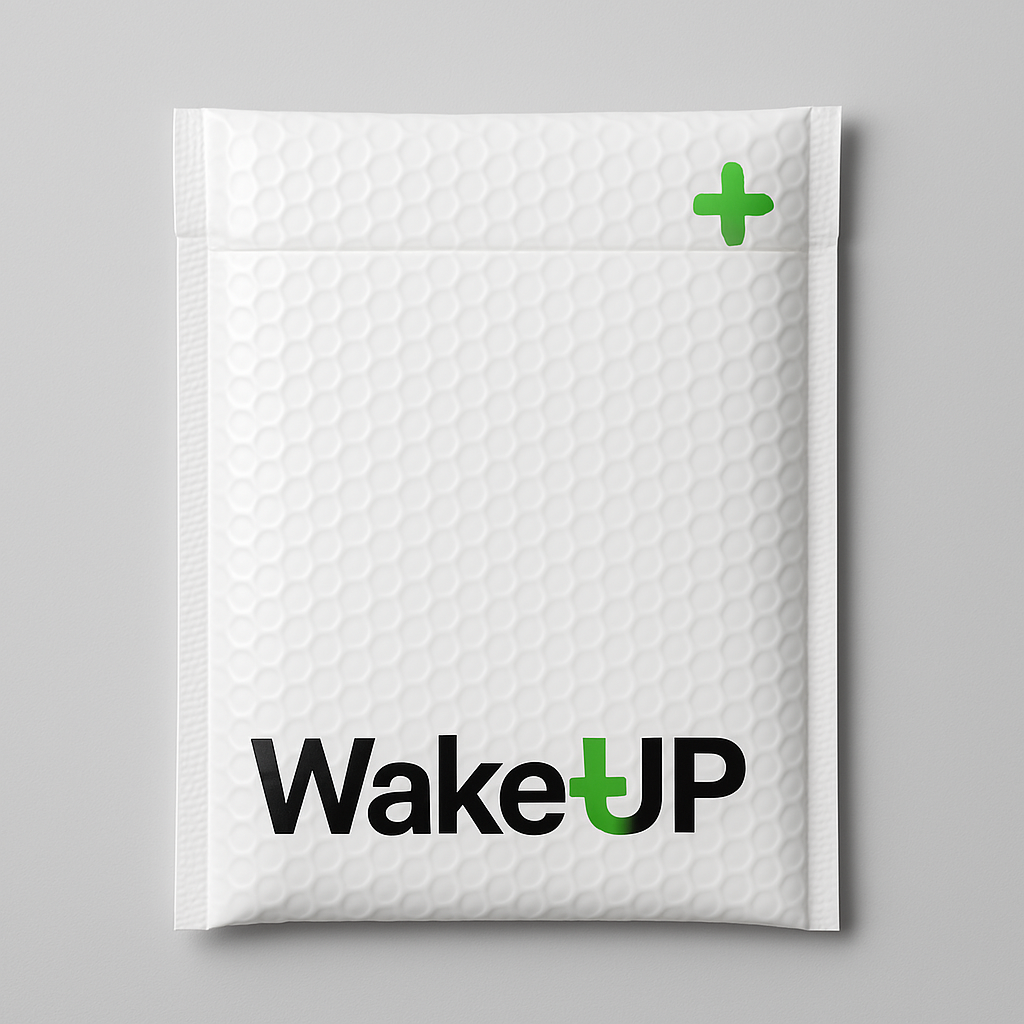
If you ship anything that can scratch, dent, or crack, you already know a flimsy envelope will not cut it. That is where bubble mailers come in. They have become the go-to shipping solution for small businesses, ecommerce brands, and fulfillment centers because they protect products without adding a ton of weight or cost to every package.
This guide walks through what makes a bubble mailer worth buying, how to pick the right size and material, and when a different mailer type might actually serve you better.
What Is a Bubble Mailer?
A bubble mailer is a padded shipping envelope with a layer of air bubble cushioning built into the lining. The outer shell is usually poly (plastic film) or kraft paper, and the bubble layer sits between that shell and whatever you are shipping. The result is a lightweight package that absorbs shock during transit, which matters a lot once your package goes through sorting machines, delivery trucks, and the occasional rough toss onto a porch.
Compared to a standard box, a Bubble Mailer is cheaper to produce, faster to pack, and takes up less space in a warehouse. That combination is why they show up everywhere, from jewelry shops to electronics resellers to subscription box companies.
Why So Many Brands Choose Bubble Mailers
There are a few reasons bubble mailers keep winning shelf space in fulfillment centers:
Lighter shipping costs. Since most carriers price by weight and dimension, a padded mailer almost always costs less to ship than a box of the same item.
Better protection than flat mailers. A flat Paper Mailer works fine for soft goods like clothing, but it will not stop a ceramic mug from chipping. Bubble mailers close that gap.
Faster packing. Warehouse teams can seal and label a bubble mailer in seconds, which adds up fast when you are shipping hundreds of orders a day.
Custom branding options. Most suppliers, including Custom Bubble Mailers programs, let you print your logo, colors, and unboxing messaging right on the mailer, turning a simple envelope into a piece of your brand experience.
Types of Bubble Mailers to Consider
Not every bubble mailer is built the same way. Here is a quick breakdown of the common variations you will run into while sourcing.
Poly Bubble Mailers
These have a plastic outer shell, usually polyethylene, which makes them water resistant and tear resistant. If your products travel long distances or sit in a delivery truck during bad weather, this is usually the safer bet. Many brands pair these with Custom Poly Mailers for their non-fragile items and reserve the bubble version specifically for anything breakable.
Paper Bubble Mailers
These use a kraft paper exterior with the same internal bubble cushioning. They tend to look more premium out of the box, which is a plus for brands that care about unboxing photos, and they are generally easier to recycle than an all-plastic mailer. If sustainability is a priority for your customers, this style is worth testing alongside a Paper Padded Mailer, which offers similar protection using recycled paper padding instead of plastic bubbles.
Compostable Bubble Mailers
For brands that want to go further on sustainability, some suppliers now offer bubble-style padding made from compostable materials. These break down in industrial composting facilities instead of sitting in a landfill for decades. If your customer base actively looks for eco-friendly packaging, it is worth comparing this option against a standard Compostable Mailer to see which fits your product weight and fragility needs.
How to Choose the Right Bubble Mailer
Picking the “best” bubble mailer really depends on what you are shipping. Here is a simple framework to work through before you place a bulk order.
1. Match the Size to the Product
A mailer that is too big lets the product slide around inside, which defeats the purpose of the padding. A mailer that is too small will strain at the seams. Measure your product, add a small buffer for padding, and size accordingly. Most suppliers offer a full size range, so there is rarely a reason to force a product into a mailer that does not fit well.
2. Consider the Shipping Distance and Handling
Local deliveries and short shipping routes can usually get away with a lighter mailer. Cross-country or international shipments go through more handling steps, so a thicker poly bubble mailer or double-lined option is usually worth the extra cost.
3. Decide How Much Branding Matters
If your packaging is part of the customer experience (think subscription boxes, jewelry, or beauty products), custom printed mailers are worth the investment. If you are shipping B2B parts or internal transfers, a plain mailer will do the job just fine.
4. Factor In Sustainability Goals
Plastic bubble mailers are durable and cheap, but they are not curbside recyclable in most areas. If your brand has made public commitments around sustainability, pairing a paper-based option, like a Paper Padded Mailer or Compostable Mailer, with your bubble mailers for fragile items can help you hit both protection and sustainability targets at once.
5. Compare Cost Per Unit at Scale
Bubble mailers are usually priced per unit and drop significantly at higher order volumes. If you are shipping consistently, it almost always pays to buy in bulk rather than reordering small batches every few weeks.
Bubble Mailers vs Other Mailer Types
It helps to see bubble mailers next to the alternatives so you know when to switch.
| Mailer Type | Best For | Protection Level | Sustainability |
| Bubble Mailers | Fragile or semi-fragile items | High | Moderate (poly) to good (paper shell) |
| Custom Poly Mailers | Soft goods, apparel, non-fragile items | Low to moderate | Moderate |
| Paper Mailers | Flat items, documents, light soft goods | Low | Good |
| Paper Padded Mailers | Books, small fragile items, eco-conscious brands | Moderate to high | Good |
| Compostable Mailers | Brands prioritizing end-of-life impact | Low to moderate | Excellent |
A lot of businesses end up running two or three of these side by side. A common setup is Custom Poly Mailers for apparel, bubble mailers for anything fragile, and a Paper Mailer or Compostable Mailer for lighter, low-risk shipments where sustainability matters more than cushioning.
Common Mistakes to Avoid
Using the same size for every product. This leads to wasted material on small items and inadequate protection on larger ones. Keep at least two or three sizes on hand.
Skipping a test shipment. Before committing to a large order, ship a handful of test packages the same way you plan to ship at scale. It is the fastest way to catch sizing or cushioning issues.
Ignoring the exterior branding opportunity. A plain mailer works, but a printed one gives you free marketing every time a package sits on a doorstep or gets unboxed on camera.
Overlooking sustainability messaging. If you do switch to a paper-based or compostable option, say so on the packaging. Customers notice, and it can become a point of differentiation.
Frequently Asked Questions
Are bubble mailers waterproof? Poly bubble mailers offer decent water resistance since the outer shell is plastic. Paper-shell versions are more absorbent, so if your shipping route involves a lot of outdoor exposure, poly is usually the safer choice.
Can bubble mailers be recycled? It depends on the material. Poly versions typically need to go through specialized plastic film recycling, which is not available curbside in most areas. Paper-shell bubble mailers are easier to recycle, and a Compostable Mailer is designed to break down entirely instead.
What size bubble mailer do I need? Measure your product’s longest dimensions and add roughly half an inch to an inch of buffer space for padding. Most suppliers offer a size chart to help match products to standard mailer dimensions.
Are bubble mailers cheaper than boxes? Generally yes, both in material cost and shipping cost, since they weigh less and many carriers offer lower rates for flat or semi-flat packaging.
Can I get bubble mailers custom printed with my logo? Yes. Most manufacturers, including suppliers of Custom Bubble Mailers, offer full custom printing on both poly and paper-shell versions, often with no minimum order penalty at moderate volumes.
Final Thoughts
There is no single “best” bubble mailer that works for every business. The right choice comes down to what you are shipping, how far it is traveling, and how much your packaging needs to double as a branding tool. For fragile items, a well-sized Bubble Mailer is still one of the most reliable options on the market. For softer goods, Custom Poly Mailers or a standard Paper Mailer may serve you better and cost less per unit. And if sustainability is part of your brand story, a Paper Padded Mailer or Compostable Mailer can help you protect your products without the environmental tradeoff of plastic packaging.
Test a few options, watch how they perform in transit, and build a packaging mix that matches both your product needs and your customers’ expectations.